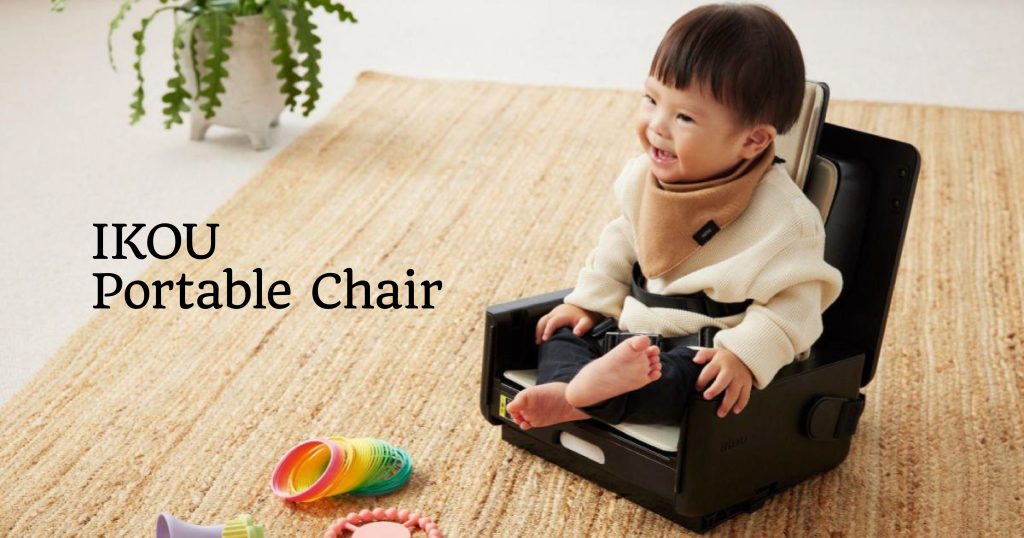
IKOU is a portable chair designed for infants and toddlers who need postural support. Created by parent Yuri Matsumoto with IDEO Tokyo, it was designed to allow families to bring postural support with them outside the home.
In Japan, government-subsidized supportive chairs work well at home but are too bulky and heavy to transport easily. Most public spaces only provide standard seating that assumes children can sit unsupported, which creates barriers for children who need postural support during family outings. To address this challenge, IKOU uses a compact folding design, tilt function, and adjustable components to help children with physical disabilities participate in activities outside the home safely and comfortably.
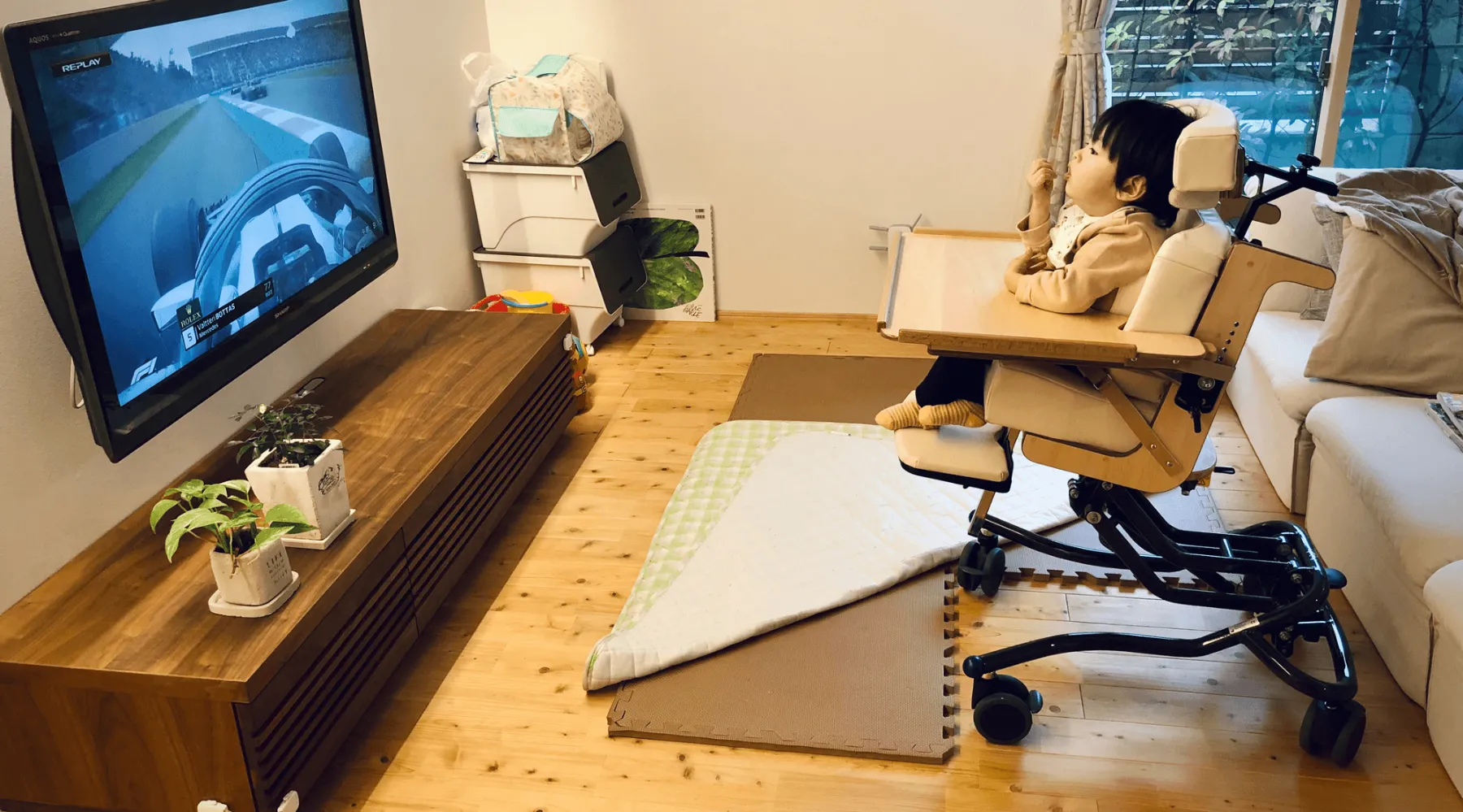
Image from Business Insider Japan
1. Portable and Easy to Install
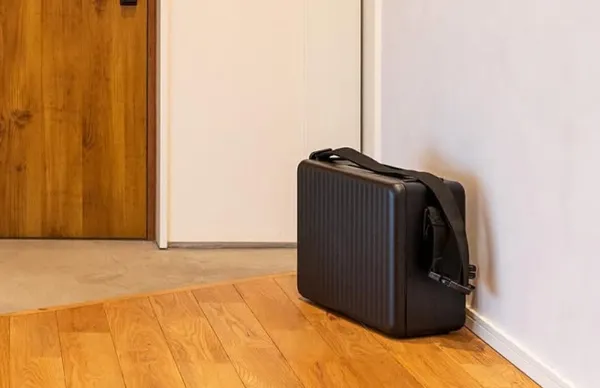
The chair folds into a compact square and comes with a shoulder strap for carrying. When stored at home, it stands upright on its own. It can be attached to standard adult chairs or placed directly on the ground for outdoor use. The neutral, non-clinical aesthetic also enhances desirability, allowing the chair to blend into everyday settings without standing out as medical or clinical equipment.

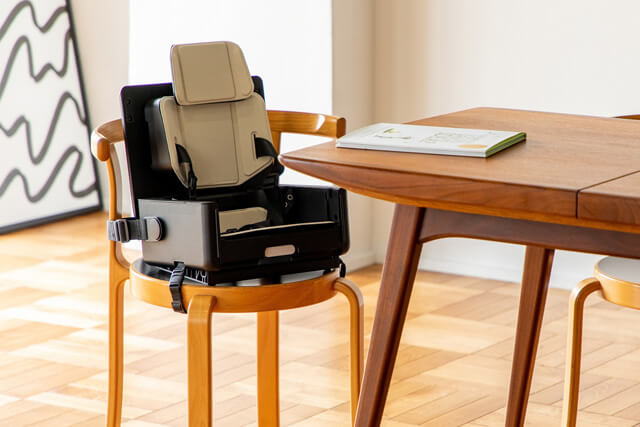
From a social model of disability perspective, most public spaces only offer standard seating that assumes all children can sit unsupported. Children who need postural support have no options in restaurants, parks, or community settings. IKOU makes support portable and compatible with existing chairs in these spaces. Families can now participate in everyday life outside the home.
2. Tilt Function That Maintains Body Angle
The seat tilts backward while keeping the angle between the backrest and seat consistent. This prevents children who need additional upper body support from sliding forward. Parents can also adjust the tilt without having to pick up the child. For safety, a retractable anti-tip lever on the back prevents tipping when weight shifts backward.
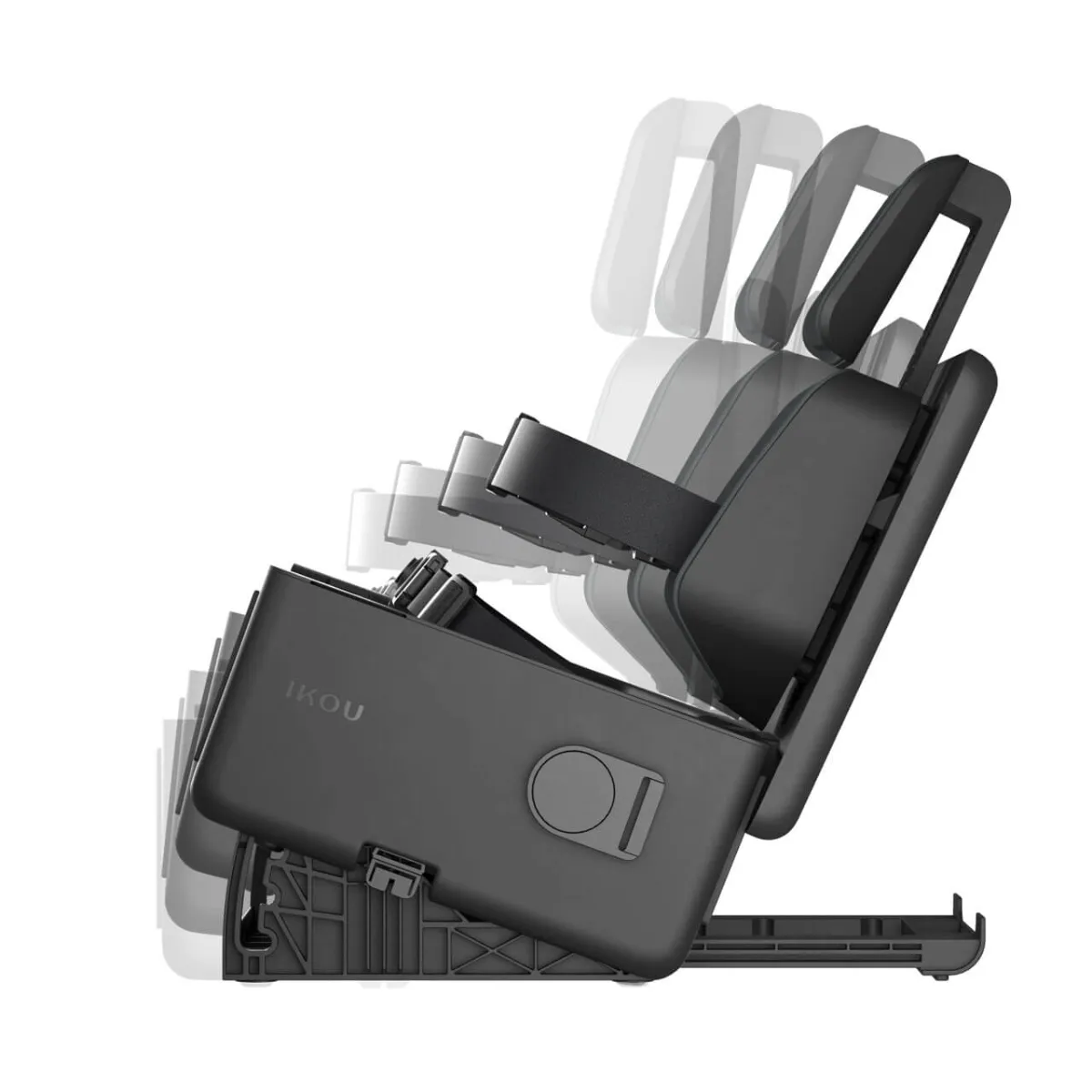
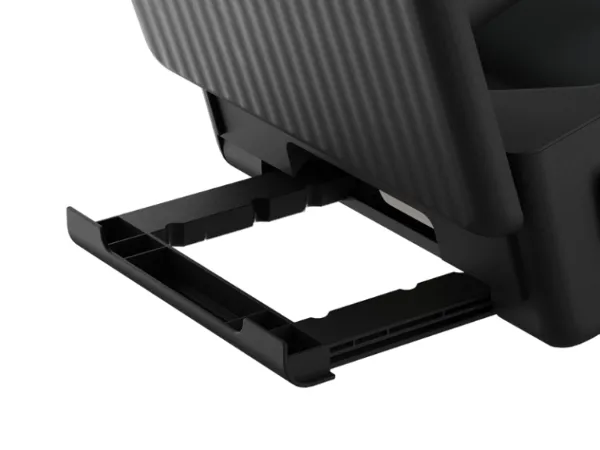
From a medical model of disability perspective, children with limited upper body control need external support to stay upright. The tilt uses gravity to keep the body positioned correctly. This reduces the effort required to maintain at a certain angle/posture and prevents sliding.
3. Adjustable Components to Accommodate Growth
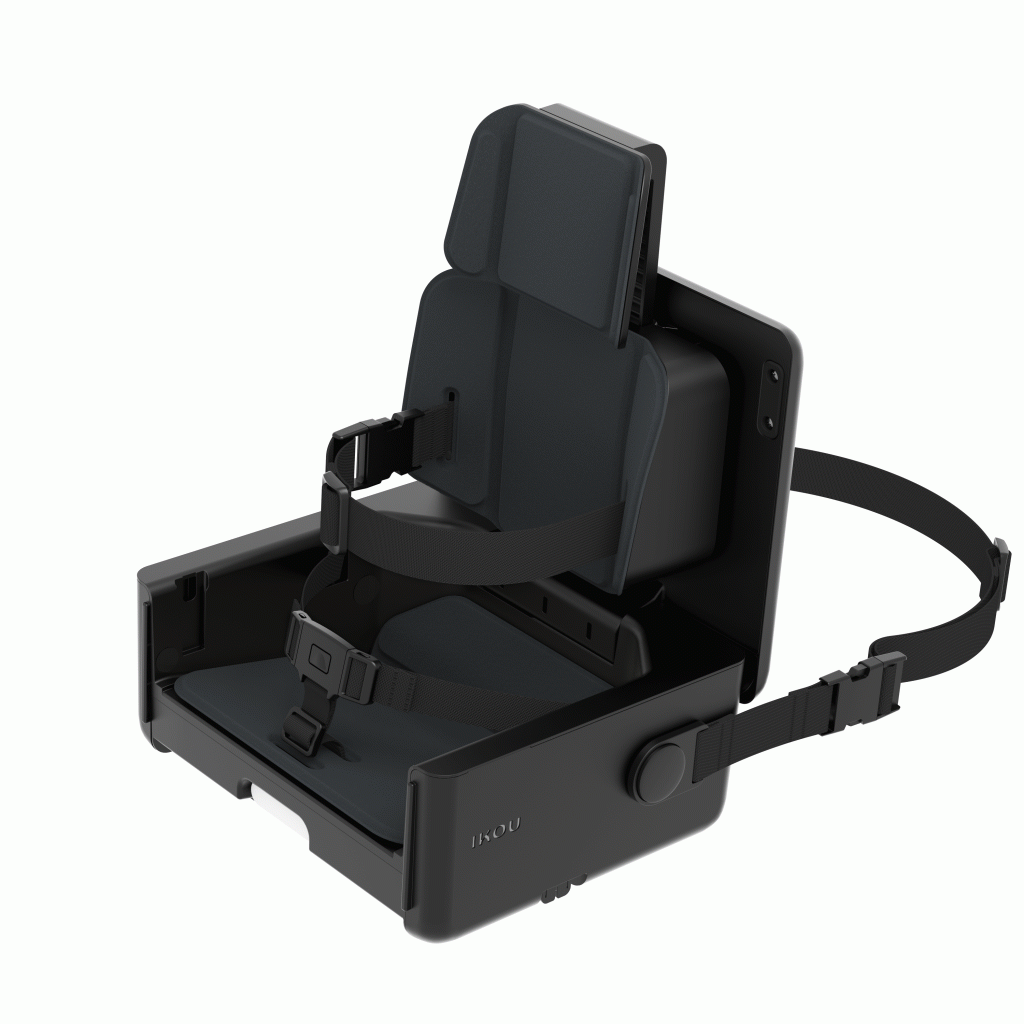
The backrest and headrest adjust in height, allowing the chair to grow with the child and provide proper postural support over time. By accommodating growth across developmental stages, this adjustability improves affordability. This means families can use the same chair from when their child is 7 months old (when they can sit up) to around 3 years old, rather than needing multiple chairs as the child’s needs change.
From a functional solutions model of disability perspective, growing bodies outgrow fixed equipment quickly. A chair fitted at seven months won’t work at eighteen months. IKOU’s adjustable design grows with the child. Families need only one chair instead of several, reducing both cost and the challenge of replacing equipment as children develop.
Conclusion
IKOU shows how assistive technology can reduce barriers when designed for everyday life rather than specialized settings. Products like IKOU work because they prioritize portability and universal use, making participation in public spaces more accessible for children with disabilities.
References:
https://www.businessinsider.jp/article/252812
https://forbesjapan.com/articles/detail/46323
https://ikoudesign.com/ja
https://www.ideo.com/case-study/ikou