Ideas & Issues

What’s going on in the world that informs the practice of designing information experiences? Posts in this category tackle new, exciting, controversial, or otherwise noteworthy ideas or issues and discuss their relevance to the field.

Banner with the positive exposure gallery logo at the top left side

At Your Pace: Designing Sensory Access for Neurodivergent Gallery Visits

When the Environment Becomes the Barrier Art galleries and museums are built for looking. But for many neurodivergent visitors, individuals that experience ADHD, autism, or anxiety disorders, the experience of getting to the art is often the hardest part. Before you can stand in front of an art piece, you have to navigate a crowded […]

At Your Pace: Designing Sensory Access for Neurodivergent Gallery Visits Read More »

What is an elephant? People, Psychology, and UX Design

There is a famous story about an elephant, a king, and six men, that Dr. Susan Weinschenk, who is an expert in cognitive and psychology, uses as a metaphor to explain the concept of psychology of usability. The following blog analyses the concept following the article “The Psychologist’s View of UX Design,” written by Dr.

What is an elephant? People, Psychology, and UX Design Read More »

Spreading the Gospel of UX Design in an Agile World

Most people in software development are familiar with the Agile methodology – a system that emphasizes quick iteration and reactive planning. The last few years have seen a rise in Agile adoption, and therefore a rise in quickly developed, functional technology. However, many implementers of this technique don’t take into account UX research and design,

Spreading the Gospel of UX Design in an Agile World Read More »

Usability Testing with Visually Impaired Users

According to Jacob Neilson “Usability is a quality attribute that assesses how easy user interfaces are to use. The word “usability” also refers to methods for improving ease-of-use during the design process. “. But what about when you are testing a visually impaired user? How do you accommodate them? What are the challenges that you encounter when conducting testing with people with disabilities; how do you over come them?

Usability Testing with Visually Impaired Users Read More »

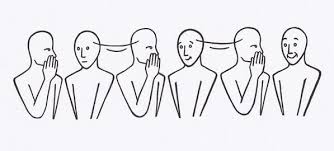
Playing Telephone: Ethically Presenting Qualitative Data in Usability Research

In 2001, Jakob Nielsen said the first rule of usability is not to listen to users. He wrote this in the context of user preferences and desires—users aren’t always the best judges of what a design should be—but there is a lot of value in analyzing user feedback in the context of usability testing. Observing

Playing Telephone: Ethically Presenting Qualitative Data in Usability Research Read More »

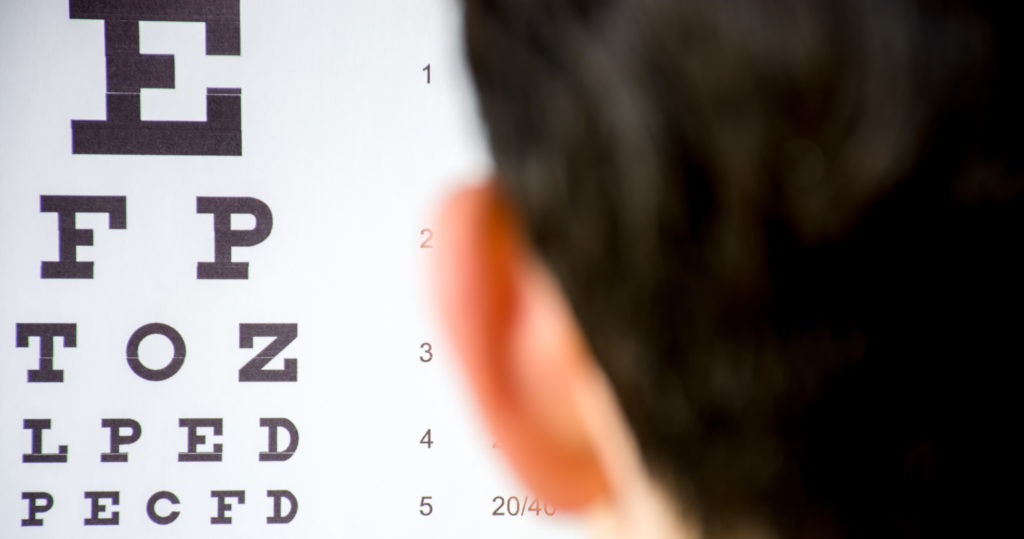
Image of an eye chart used to test vision.

Usability Testing for Visually Impaired Audiences

The ultimate goal of usability testing is to ensure that users have the best possible experience using an interface. This is a tall order, so it helps to have a diverse group of users testing the interface. One important group to consider is users with visual disabilities, since they use most technology in very different ways than non-disabled users. When inviting visually impaired users to test a product, it’s essential to understand how the testing process differs, and the reasons behind the changes.

Usability Testing for Visually Impaired Audiences Read More »