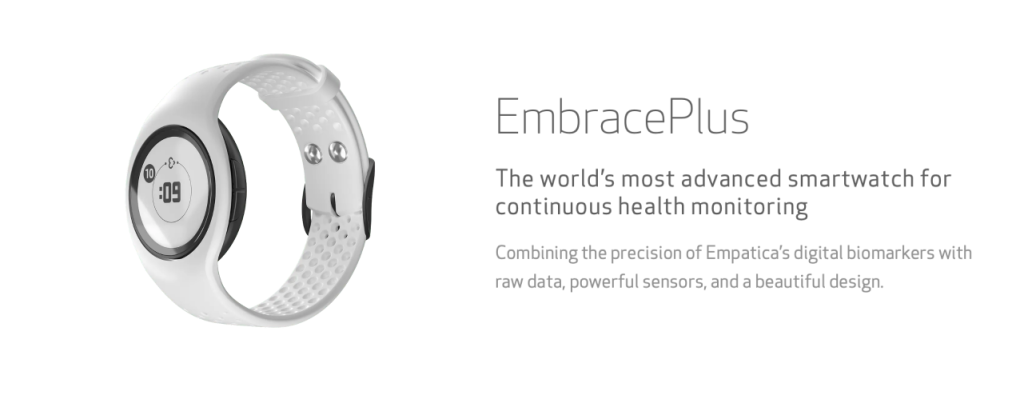
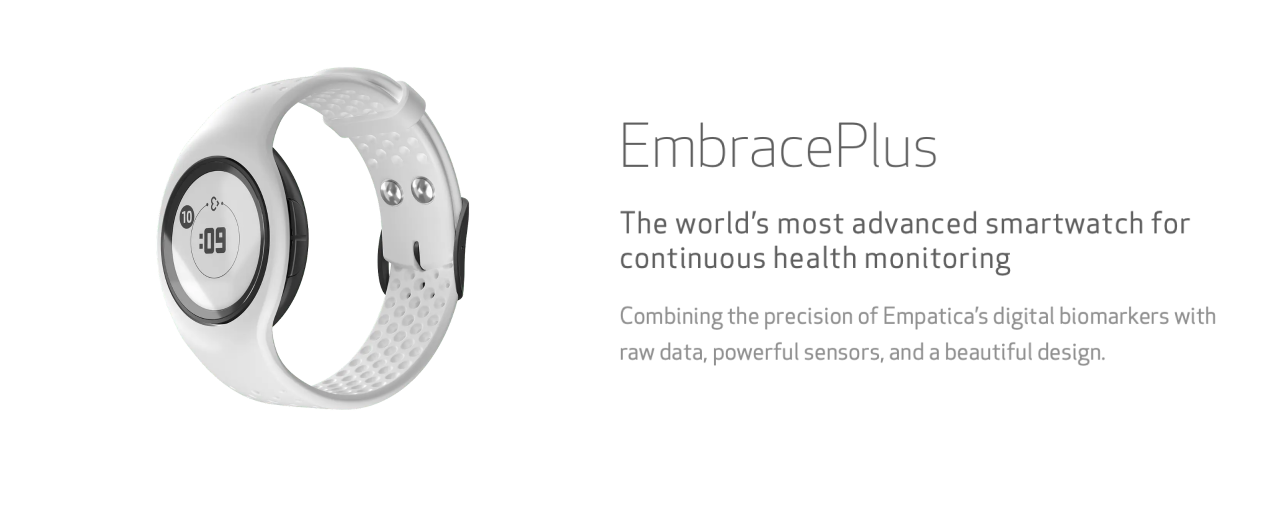
The EmbracePlus wristband by Empatica is a wearable device that helps people with epilepsy monitor physiological signals to detect potential seizures. It sends real-time alerts to the wearer and caregivers, tracks vital data for insight into triggers, and provides discreet, wearable support, empowering users to live more independently and confidently.
The EmbracePlus wristband is a small, wearable device designed specifically for people with epilepsy. It continuously monitors physiological signals such as electrodermal activity, heart rate, and motion to detect seizure patterns. When an abnormal pattern is identified, the device sends immediate alerts to the wearer and designated caregivers via a paired mobile application. By combining real-time monitoring with discreet, wearable design, the EmbracePlus empowers users to maintain independence while staying connected to support networks.
One of the most impactful features of the EmbracePlus is its real-time seizure detection and alert system. For a person with epilepsy, unpredictability can create constant anxiety. The wristband reduces this stress by notifying caregivers the moment physiological data indicates a possible seizure. This addresses utility and usability, as it directly supports the user’s safety and allows them to engage in everyday activities with greater confidence.
Another important feature is the wearable, ergonomic design. The EmbracePlus is lightweight, waterproof, and worn like a typical wristwatch. Its unobtrusive design encourages continuous use without stigmatizing the wearer or drawing unwanted attention. From an accessibility perspective, this demonstrates consideration of both comfort and social integration, emphasizing that assistive technology should seamlessly blend into daily life rather than highlight disability.
A third notable feature is data tracking and analytics through the companion app. Users can view trends in their physiological signals, gain insights into possible seizure triggers, and share data with healthcare professionals. This feature supports the social model of disability, as it reduces environmental barriers by enabling the user to participate in work, school, and social settings with reduced risk and improved self-management. By empowering the individual with information, it shifts the focus from limitation to autonomy and active participation.
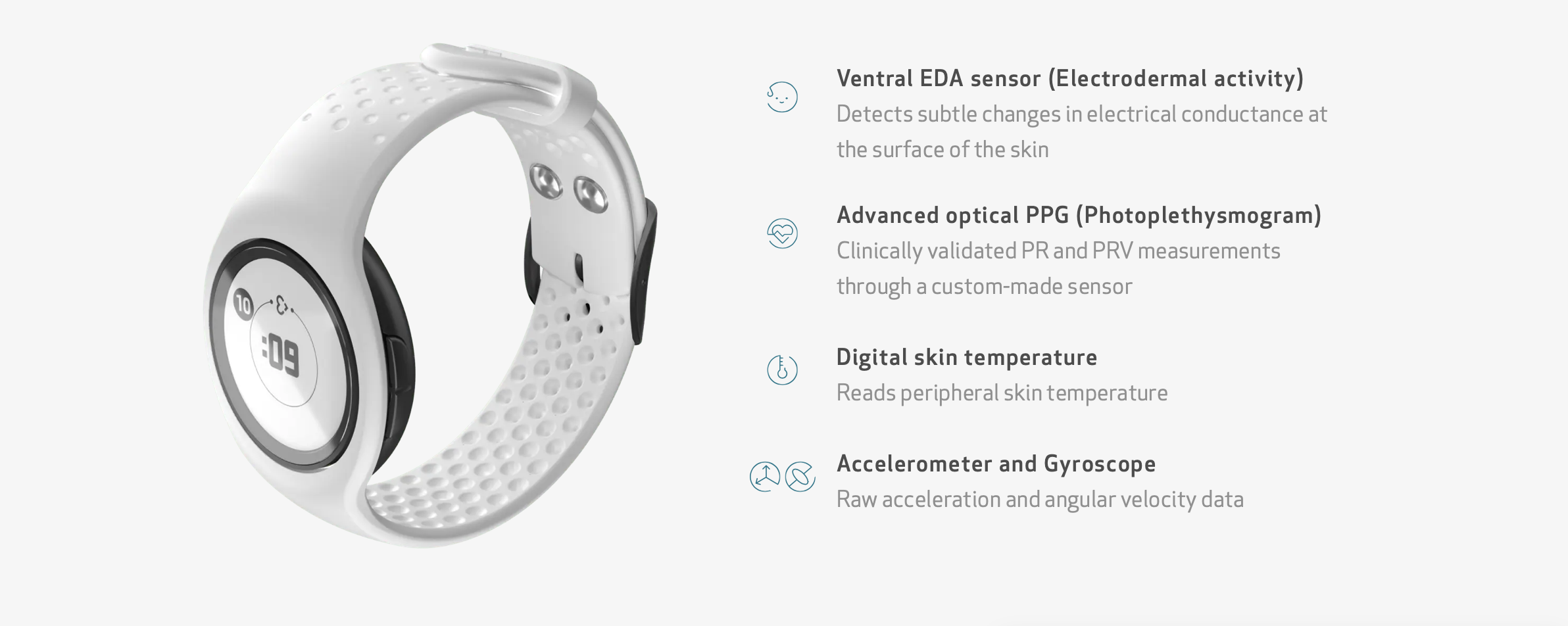
Applying the functional or solution-focused model, the EmbracePlus demonstrates how innovation can overcome the challenges of epilepsy. Rather than focusing on societal or political aspects, this model highlights how technology can provide immediate functional solutions, such as seizure detection and caregiver alerts. The wristband exemplifies this by addressing a direct need with a tangible product.
In contrast, the charity or tragedy model frames disability in terms of pity, fundraising, or external intervention. The EmbracePlus avoids this narrative by centering the agency of the user. It does not merely assist passively or rely on others’ sympathy; instead, it provides tools that allow the person with epilepsy to actively manage their condition, highlighting empowerment rather than dependence.
Finally, the social model of disability emphasizes how societal barriers restrict participation. By offering discreet monitoring and real-time alerts, the EmbracePlus mitigates social and environmental limitations, allowing people with epilepsy to live more freely, participate in activities without excessive risk, and assert their rights to independent and meaningful engagement.
While the EmbracePlus offers significant benefits, it is not without limitations. Some users may find constant monitoring intrusive, or they may encounter challenges in pairing with smartphones or understanding data analytics. Additionally, false positives or missed alerts can affect trust. Despite these potential issues, the device remains a strong example of accessible technology that balances safety, usability, and independence for people with disabilities.
In conclusion, the EmbracePlus wristband is a wearable, accessible, and innovative device that directly supports people with epilepsy. Its combination of real-time alerts, comfortable design, and actionable data exemplifies modern assistive technology that prioritizes user autonomy and participation. By applying functional, charity/tragedy, and social models of disability, it becomes clear that EmbracePlus is more than a safety device, it is a tool for empowerment and inclusion.
,