Otter.ai As Assistive Technology
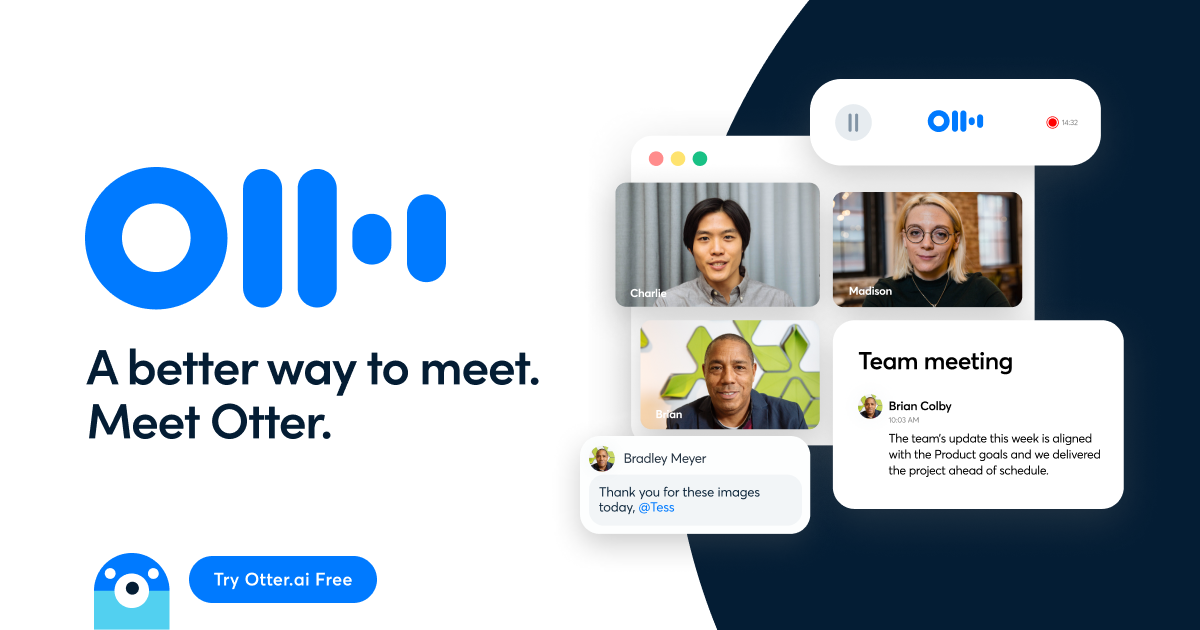
Otter.ai is an AI-powered live transcription and note-taking tool developed in 2016 and is now widely available on as a desktop app, iOS app, Android app, and a Chrome extension. It offers a robust free option with all of the base features, and affordable paid subscriptions as well to access more features, making it a fairly financially accessible product.
While it is marketed as a business tool for meetings and productivity, it serves as assistive technology for Deaf and hard of hearing people, as well as people with auditory processing disabilities and/or attention or cognitive disabilities. I’ve personally used Otter.ai and similar tools (fireflies.ai) periodically throughout the last five years and have found many uses in its function as assistive technology.
We can examine Otter.ai’s accessibility features through through different models of disability, specifically; the medical model, the social model, the charity/tragedy model, and the functional solutions model.
Pricing
Otter.ai is fairly affordable
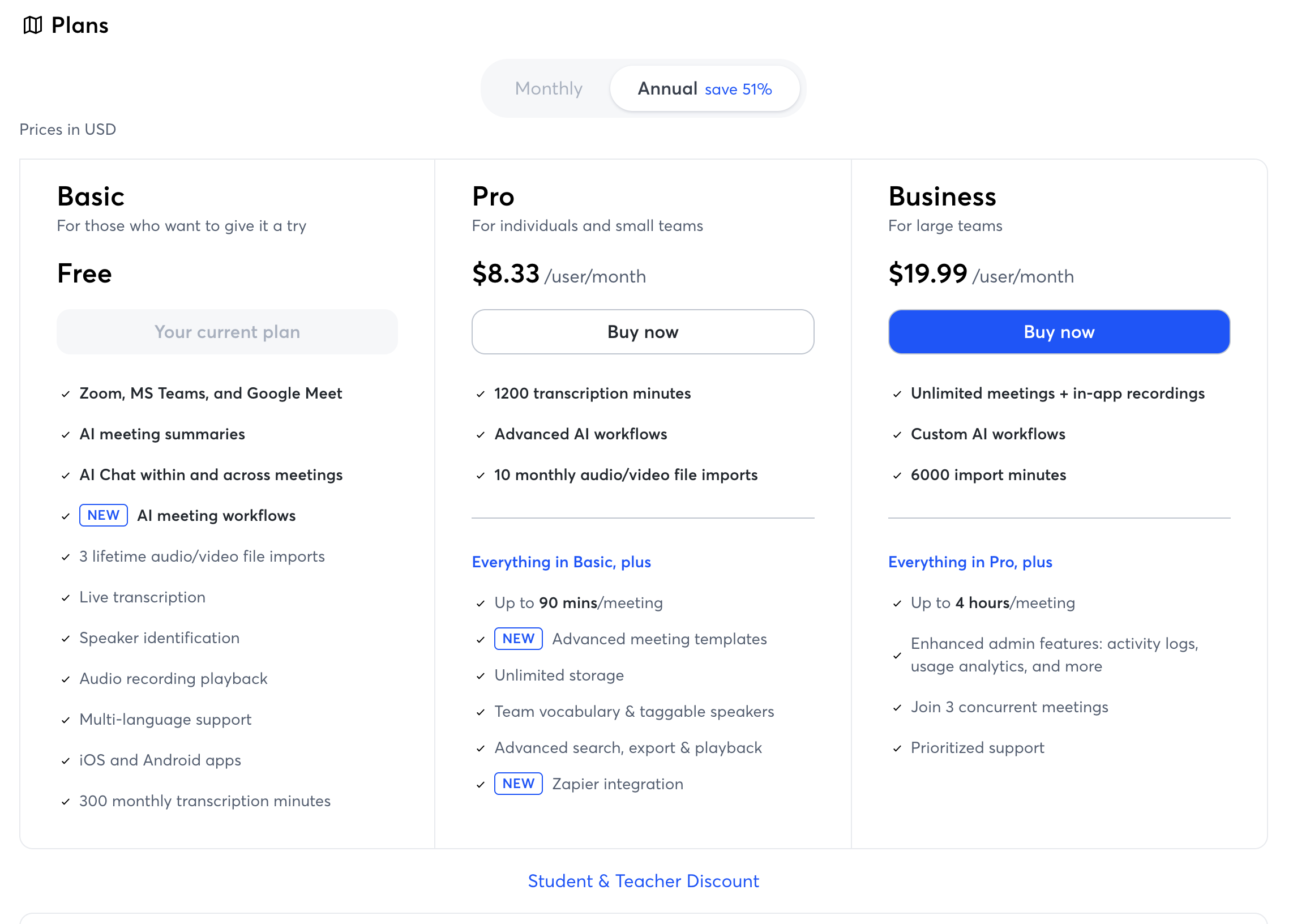
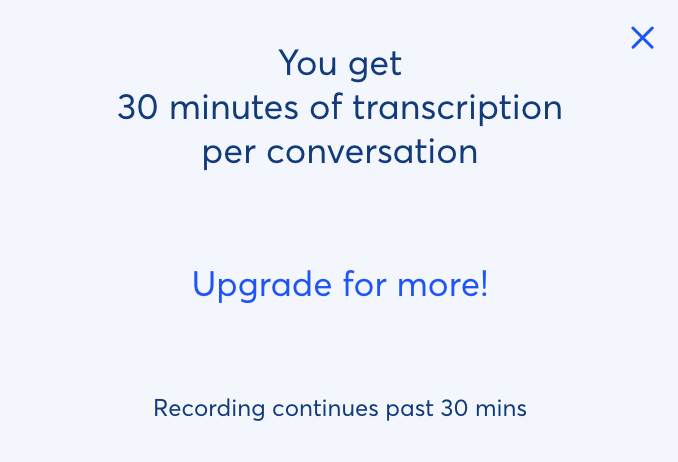
What isn’t mentioned on the pricing page under the listed features of the Free Plan, users only receive 30 minutes of transcription per conversation
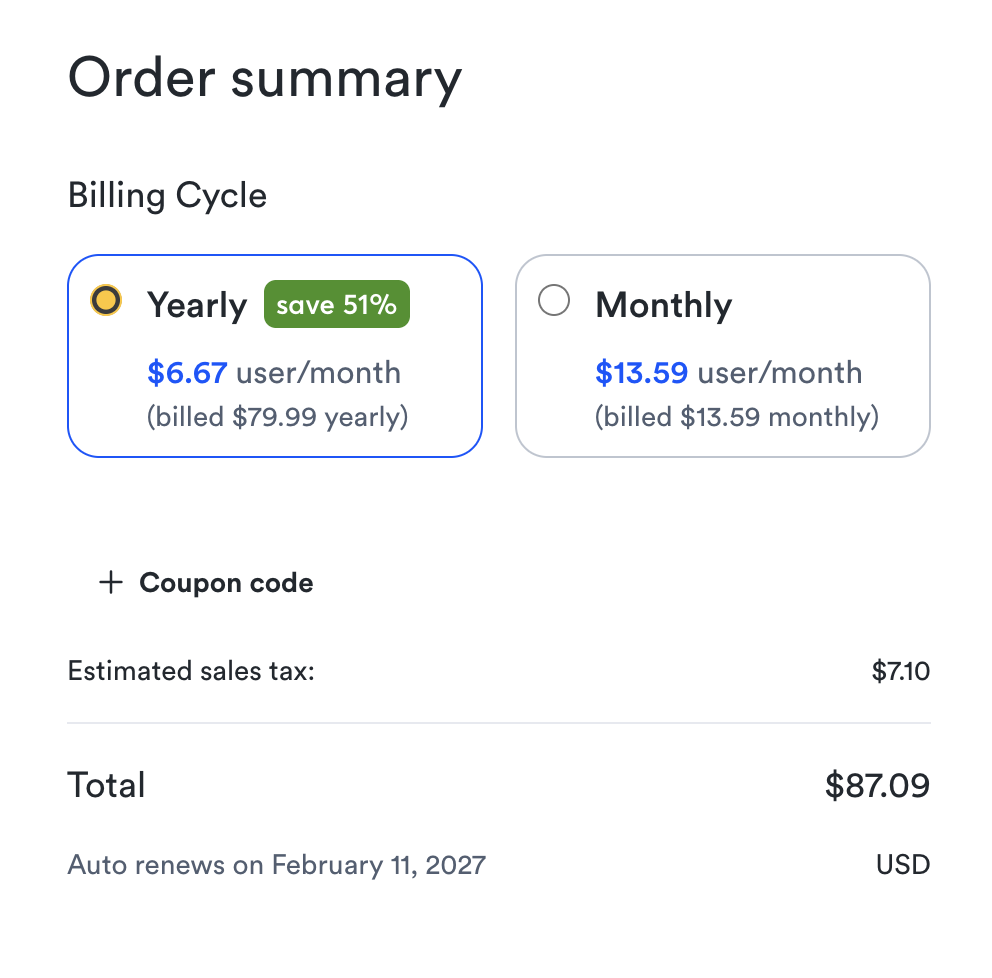
If using a student or teacher discount, the price decreases significantly, making the paid subscription even more affordable for some (51% savings when choosing yearly billing).
The Live Transcription Feature
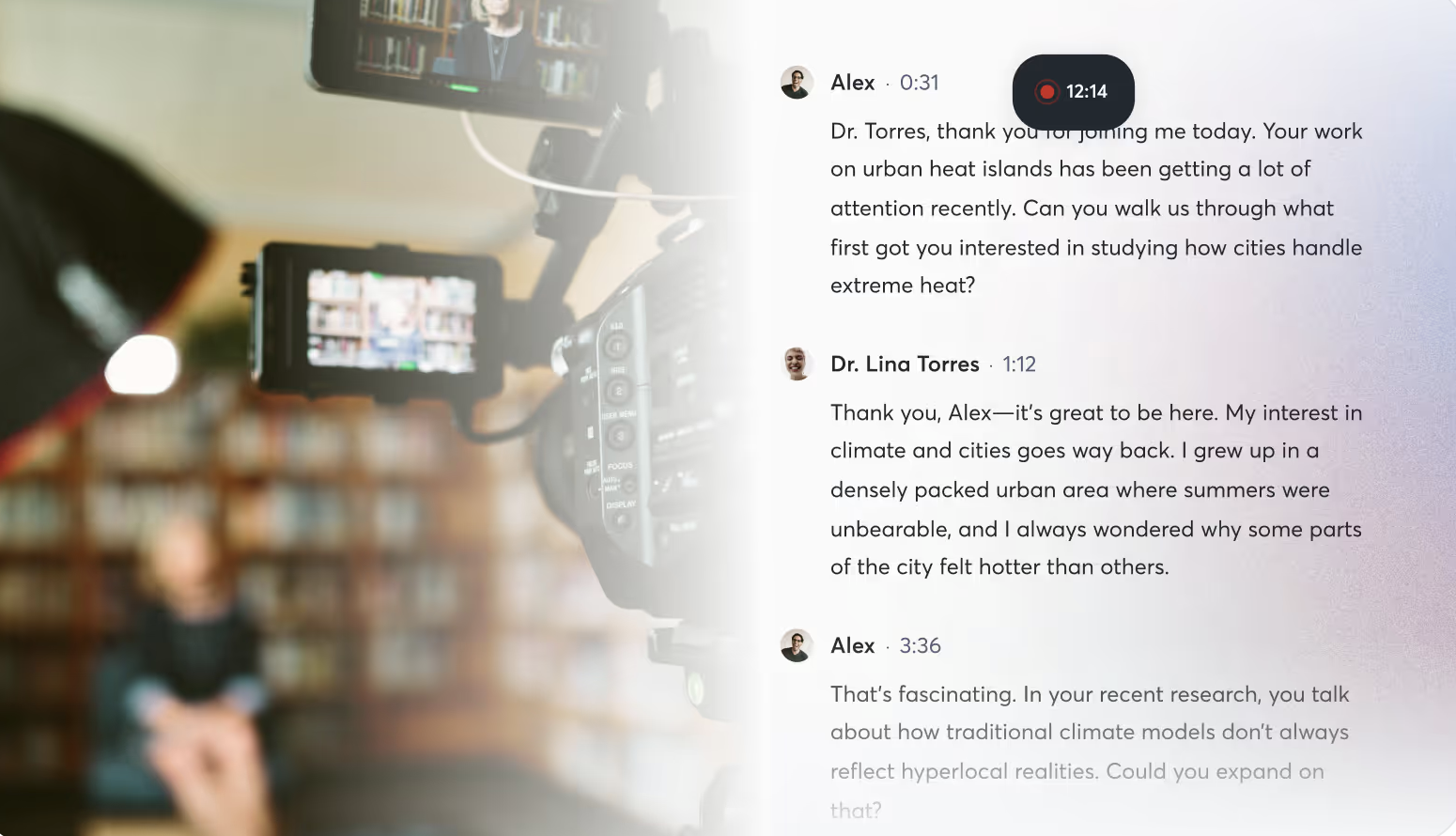
Let’s start with Otter.ai’s primary feature: live transcription. After signing up for free, a “record” button is easy to find and select, beginning live transcription from whatever device is being used (a laptop in my case). There are also many options to integrate Otter.ai to automatically join any virtual meetings added to my schedule, or simply add it to a meeting after the fact.
Live transcription can then be captured in virtual meetings or in-person conversations, capturing spoken language and translating it into text in real time. When examining this feature from the perspective of The Medical Model, disabilities involving deafness, lack of hearing, or auditory processing are framed as individual impairments that a tool like Otter.ai can help compensate for, appearing to “fix” the “issue” at hand (i.e. an inability to hear or process speech).
Approaching the live transcription feature from a Social Model point of view, we understand that disability comes from environments being designed for hearing people. Otter.ai helps to remove a communication barrier created by society. By using it, Deaf and hard of hearing people are given access to reading text instead of being forced to lip-read, thus creating a more accessible environment.
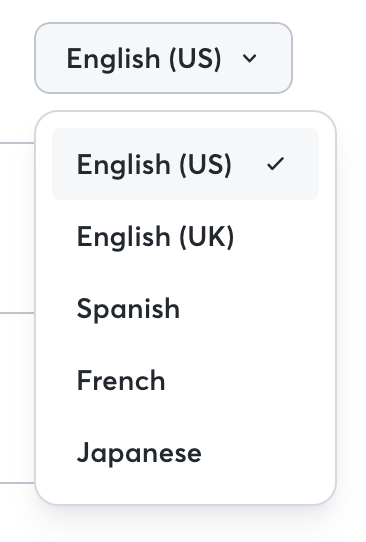
Otter.ai currently offers four different languages (two different versions of English), which can be helpful for some non-english speakers.
One of the primary challenges with the tool is that accuracy can drop with accents, fast talkers, or when multiple voices speak over each other, which does create uneven access.
Searchable Transcripts
talkers, or when multiple voices speak over each other, which does create uneven access.
Another key accessibility feature is Otter.ai’s searchable and shareable transcripts. Users can view and download transcripts as well as search keywords, highlight sections, share and export transcripts. This is an important feature for users, especially those with auditory processing difficulties. The ability to go back and review transcripts can aid in comprehension and understanding of meetings. There are additional AI tools that help create analyses, summaries, quotes, and more.
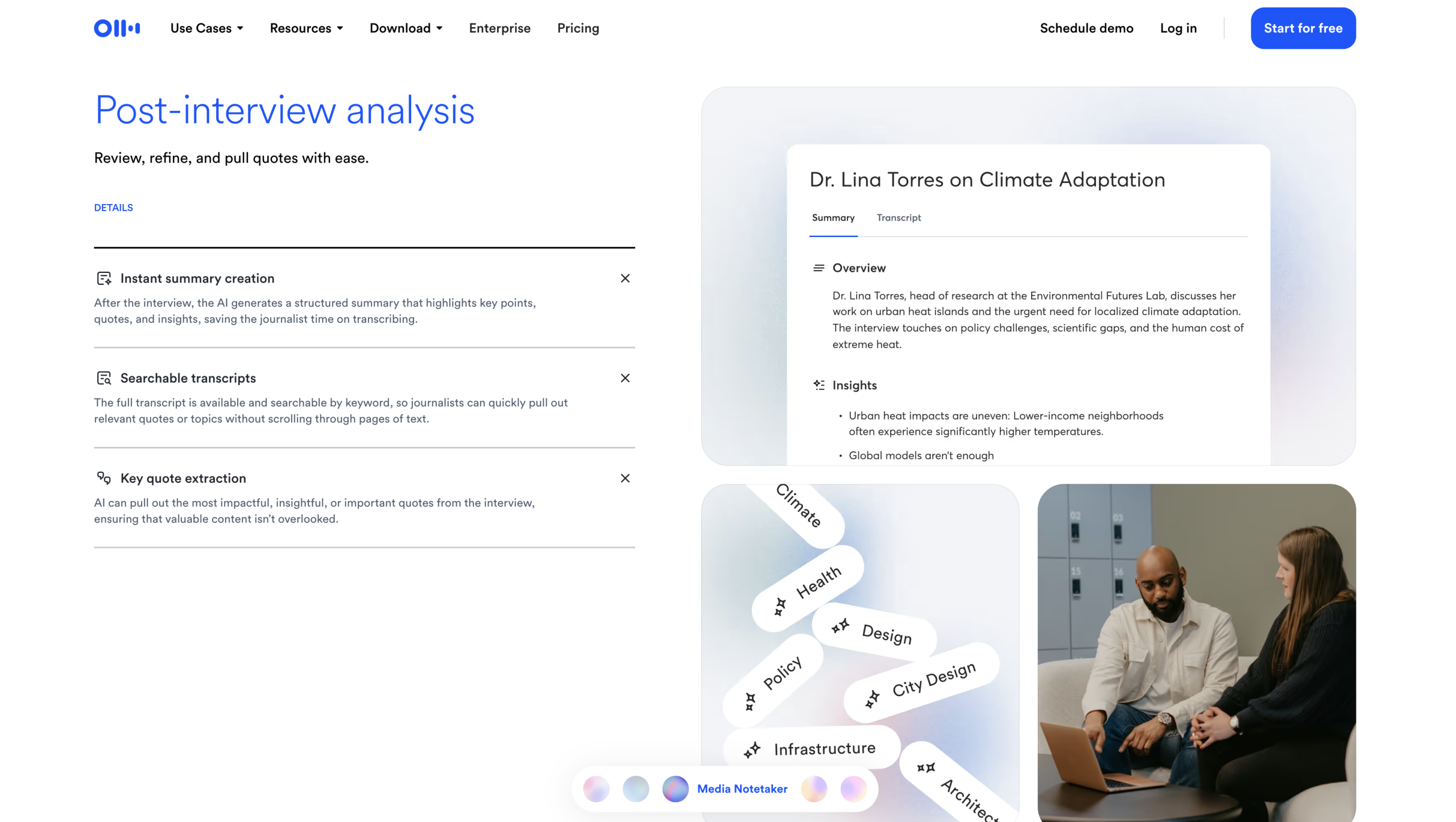
Reviewing this key feature from the perspective of the Functional Solutions Model, it creates flexibility in how people access information, whether it’s live, watching later, skimming important points, or being able to search through the transcript for specific information. Searchable transcripts allow people with memory, attention, or processing disabilities to engage asynchronously.
If viewed from the Charity/Tragedy Model, it could be positioned as a tool “helping those who struggle,” making it viewed as a benevolent add-on rather than a necessary accessibility feature that can be useful to any user. It also risks positioning disabled users as passive recipients of help rather than equal participants. When tools like Otter.ai are deployed and utilized by an entire organization, that stigma could be avoided.
Conclusions
Overall, Otter.ai proves to be a useful assistive technology. It’s not just a productivity tool but has become a part of modern accessibility infrastructure. However, it’s accessibility depends on accuracy, inclusive AI training data, and whether institutions treat transcripts as optional or essential. True accessibility happens when features like these become standard design, not special accommodations.