
The Ray-Ban Meta AI Glasses enable users to send messages, make calls, take pictures and videos, listen to music, and use voice commands to ask Meta AI questions and receive answers in real time (Meta, 2026). Although the glasses are marketed as a lifestyle device, they also function as assistive technology for people with visual impairments and people with disabilities who benefit from hands-free interaction.
Visual Assistance
The glasses allow users with visual impairments to point their head towards any object and ask Meta AI, “What am I looking at?”. Meta AI then interprets what appears in the glasses’ camera’s view and responds via audio to describe the object, the surroundings, or any visible text (Meta, 2026). The glasses can also be paired with the Be My Eyes mobile app, through which people who are blind can use voice commands to call a sighted volunteer. The volunteer sees through the glasses’ camera and provides audible feedback through the glasses’ speakers to assist users with complex tasks like reading physical letters or operating devices like a record player or speaker to understand the functionality of its buttons (Be My Eyes, 2026).
Both of these features provide people with visual impairments significant utility and support the functional solutions model of disability, by helping them navigate everyday tasks such as reading restaurant menus or identifying a taxi’s license plate number through the assistance of innovative technology. Additionally, these features do not align with the charity/tragedy model of disability as they are marketed as an empowering mainstream technology that respects the identity of users rather than reinforcing pity-based narratives like “helping the unfortunate”.
Hands-Free Voice Interaction
Users with disabilities who benefit from hands-free interaction can use the glasses to send messages, make calls, listen to music, and take pictures by giving voice commands to Meta AI. Meta AI then uses inputs from the glasses’ camera and microphone to execute the command and provide audio feedback to the user via the glasses’ open-ear speakers (Meta, 2026). This feature offers strong usability because it lowers the cognitive and physical effort required for users with limited or no use of their hands to communicate digitally, access media, and capture moments.
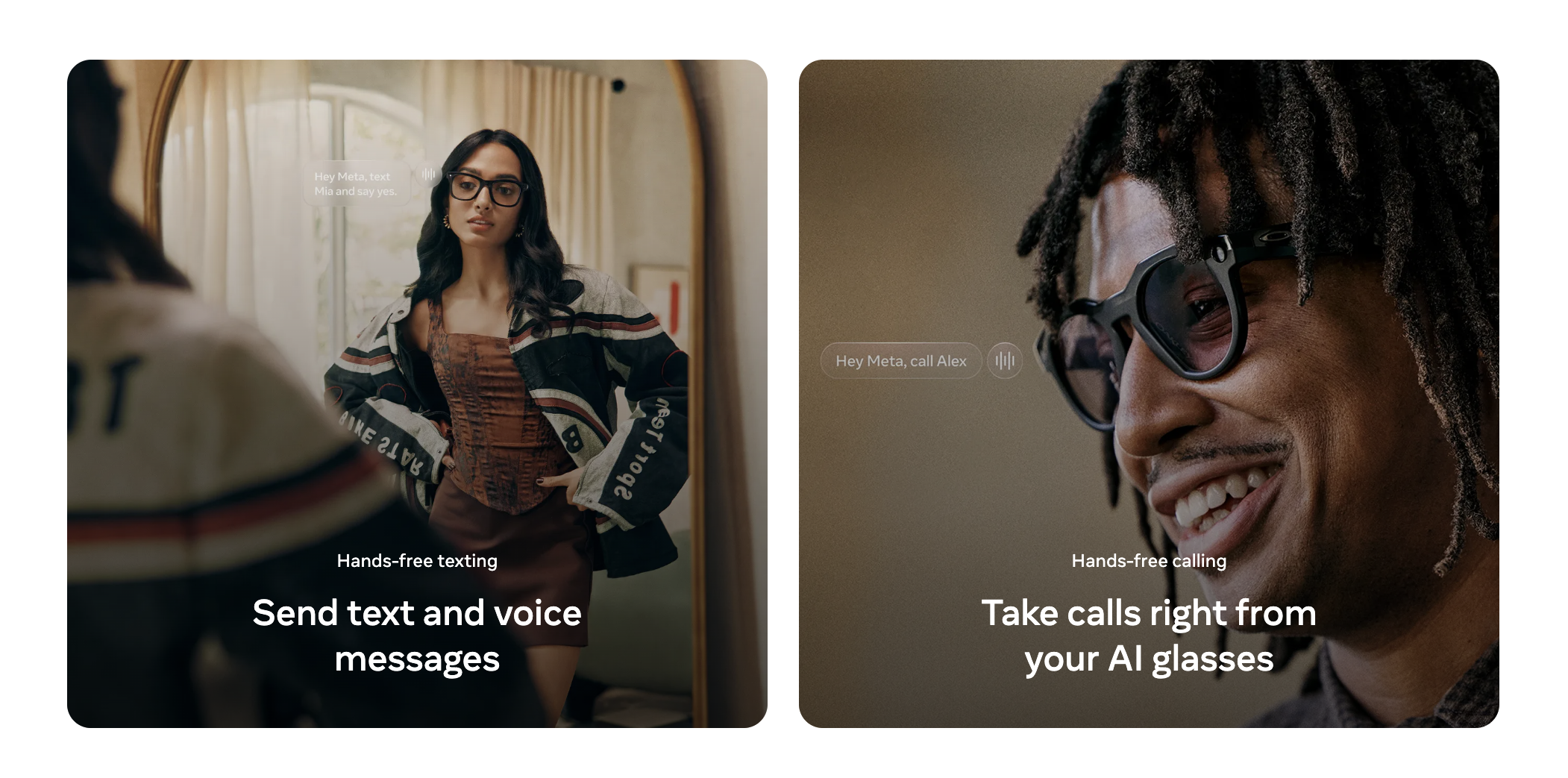
Since, the voice interaction feature helps people with limited or no use of their hands to engage in these everyday activities by removing physical barriers, it aligns with the social model of disability. On the other hand, the voice interaction feature does not support the medical model of disability, as it does not try to “cure” or “fix” the disability, rather it adapts the interaction to the person’s abilities and redesigns how the tasks are performed.
Discreet & Fashionable Design
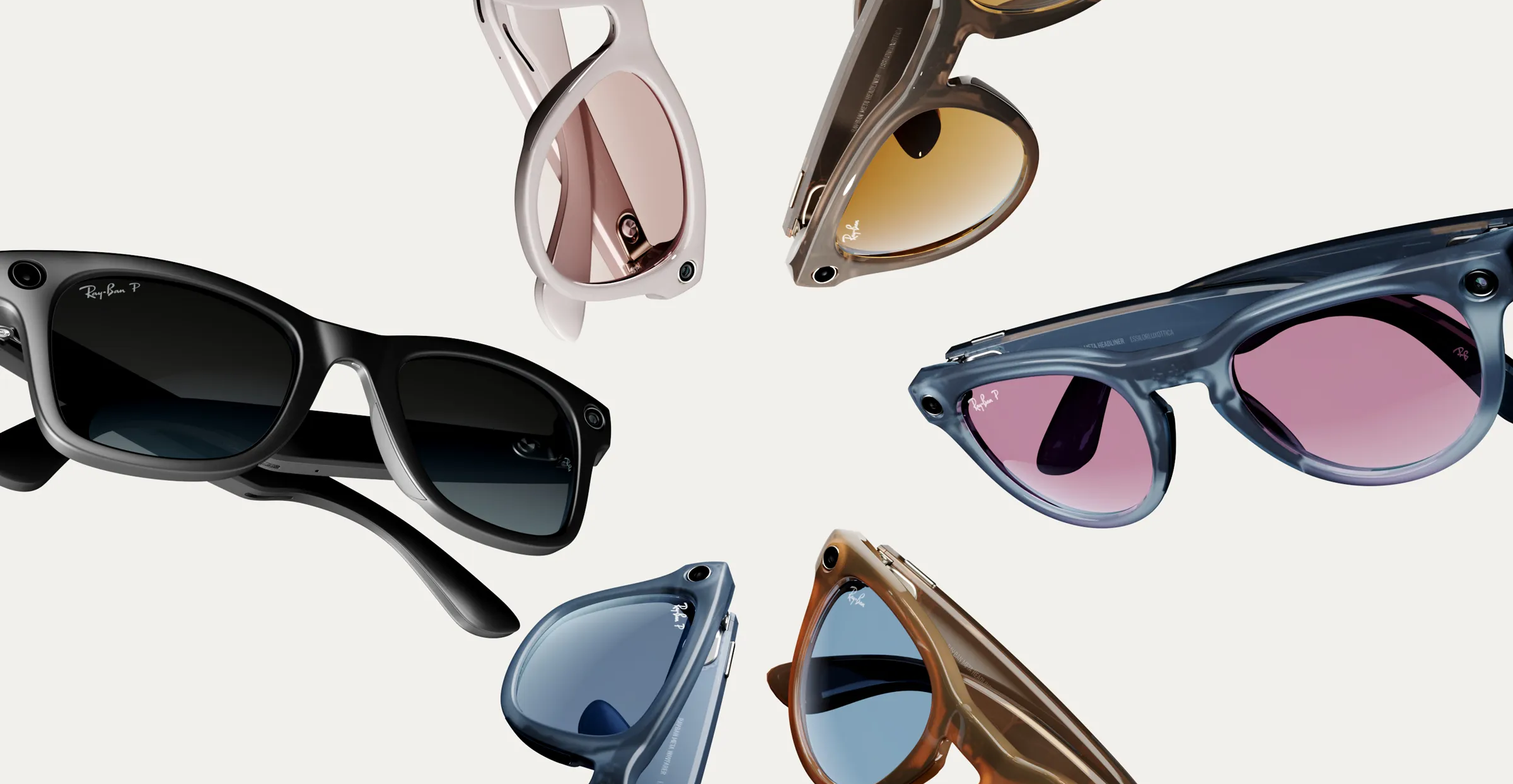
Unlike many assistive technologies, the Ray-Ban Meta AI glasses look like standard eyewear and have become a part of mainstream consumer culture. This increases the desirability of the glasses, since it reduces the stigma that people with disabilities may experience when using visibly apparent assistive devices. The design of the glasses also aligns with the social model of disability by reducing social barriers such as the unwanted attention that comes with wearing visibly apparent assistive technologies in public.
Conclusion
Overall, the Ray-Ban Meta AI glasses show great potential as an assistive technology for people with visual impairments and for people with disabilities who benefit from hands-free interaction. The glasses’ compatibility with smartphones via the Meta AI Glasses and Be My Eyes mobile apps and affordability of $299 (compared to alternatives like Envision Glasses priced at $1,899) makes them an accessible option for many users (Envision, 2026).
Citations
Ray-Ban. (2026). Discover Ray-ban | meta AI glasses: Specs & Features | Ray-Ban® US. ray-ban.com. https://www.ray-ban.com/usa/discover-ray-ban-meta-ai-glasses/clp
Meta. (2026). Meta AI Glasses | Ray-Ban Meta, oakley meta and display glasses | meta store. meta.com. https://www.meta.com/ai-glasses/
Be My Eyes. (2025, October 14). Be My Eyes Smartglasses. https://www.bemyeyes.com/be-my-eyes-smartglasses/
Envision. (2026). Envision Glasses. Smart Glasses for People who are Blind or Low Vision. https://www.letsenvision.com/glasses/home