Design Critiques

What makes some designs good and others bad? Why do some designs work while others don’t? Posts in this category offer thoughtful design critiques of modern digital interfaces, with commentary inspired by Don Norman’s “The Design of Everyday Things.”

Spotify Interface

Design Critique: Spotify (iPhone App)

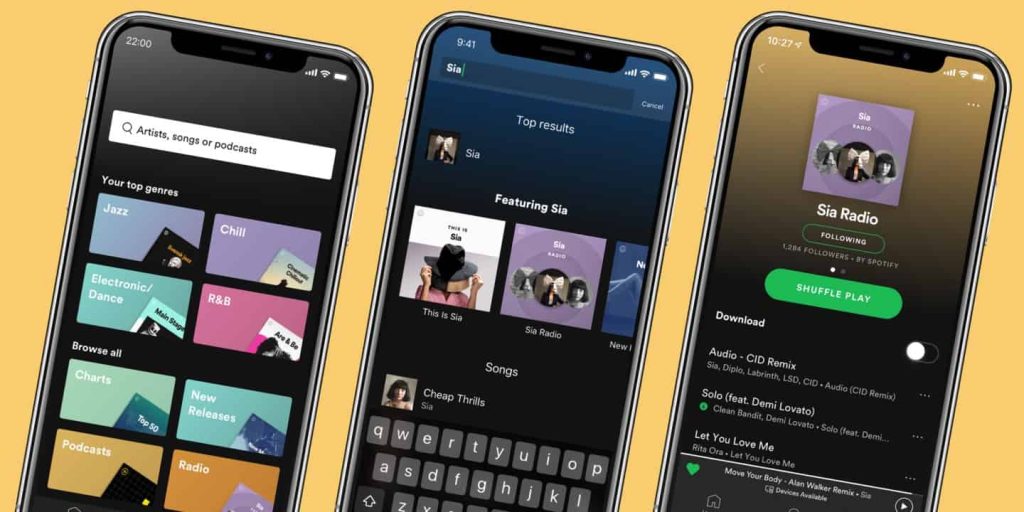
Spotify has dominated the Music Streaming space since its inception in 2008. Since then, it has revolutionized the personalization of listening to music, audiobooks, and podcasts by curating playlists, providing an AI DJ, or releasing the yearly “Spotify Wrapped” that listeners anxiously wait every year to find out. As someone who has been using Spotify’s interface since the beginning, I have witnessed its evolution through features I’ve loved a lot and loved not-so-much. With the extensive set of features and option Spotify now offers, this post analyzes how Spotify juggles designing with clarity while handling large amounts of information.

Design Critique: Spotify (iPhone App) Read More »

Design Critique: A Critique of the ROLA Pet Companion App

 The ROLA app allows pet owners to remotely monitor and interact with their pets through a mobile-controlled robot. While the system provides strong real-time feedback and responsive control, inconsistencies in conceptual modeling, task organization, and emotional framing introduce subtle friction in what should be a reassuring experience. ROLA is a mobile interface designed to control

Design Critique: A Critique of the ROLA Pet Companion App Read More »

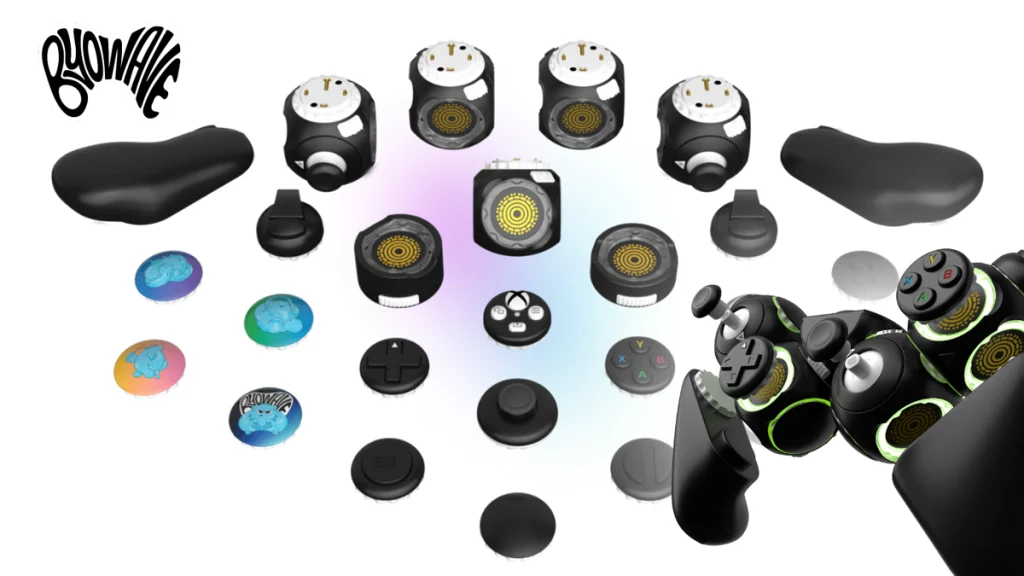
Assistive Technology: Proteus Controller by Byowave

When we hear the word controller, most of us picture a standard device designed for two hands, with small buttons demanding precise motor skills. But not everyone interacts with games in the same way. The Proteus Controller by Byowave rethinks this “default” through modular design and customization, supporting more accessible play. Feature 1: Modular, Reconfigurable

Assistive Technology: Proteus Controller by Byowave Read More »

Beyond Street Furniture: How Bollards Shape Urban Inclusion

Ever notice those small stone or metal posts on sidewalks that quietly direct where you can and can’t go? Most of us walk past bollards without a second thought. But try pushing a stroller, using a wheelchair, carrying groceries, or crossing a busy street, and suddenly these objects matter. Their material, shape, and spacing affect

Beyond Street Furniture: How Bollards Shape Urban Inclusion Read More »

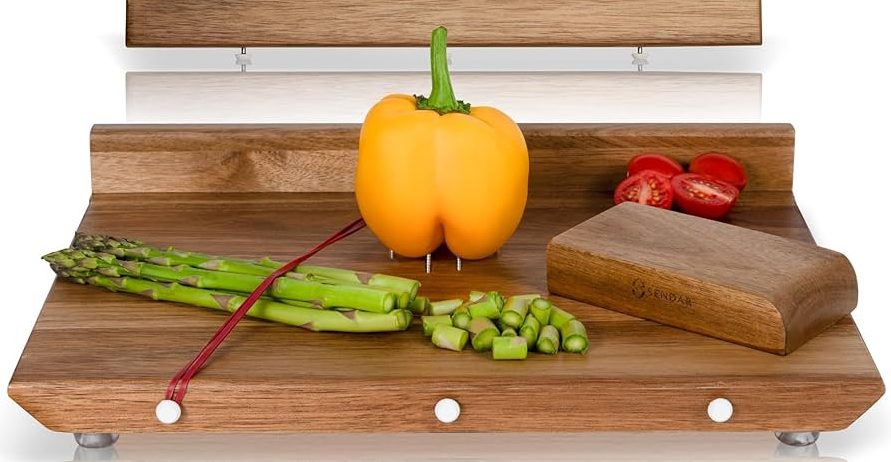
Assistive Technology: SENDAR One-Handed Cutting Board

The SENDAR One-Handed Cutting Board is an adaptive tool designed for individuals with limited hand mobility. This includes stroke survivors, people with limb differences, older adults, and others with physical disabilities. The preparation of food generally requires the use of two hands; however, most of the cutting boards are not designed to be used one-handed.

Assistive Technology: SENDAR One-Handed Cutting Board Read More »

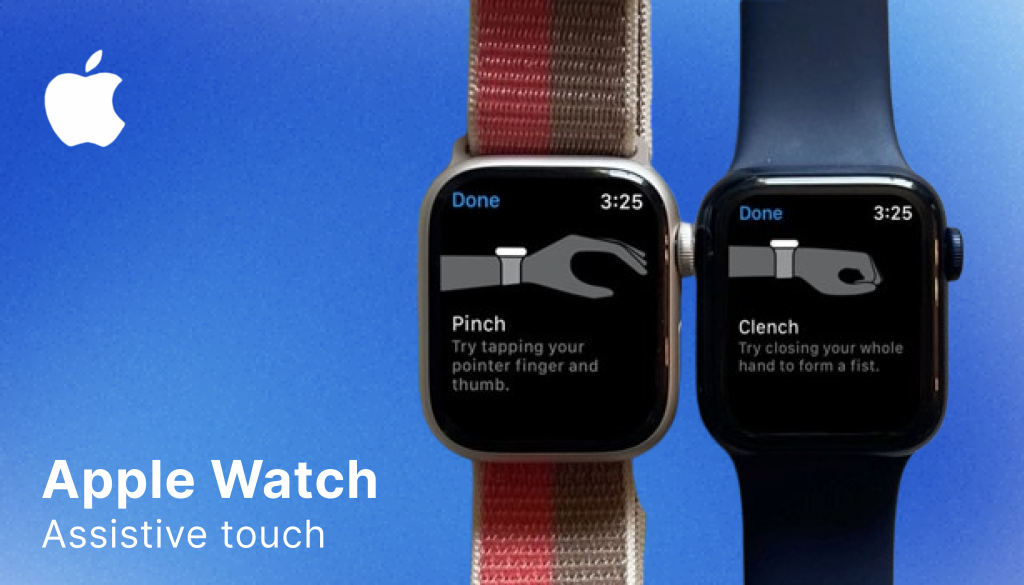
Assistive Technology: Apple Watch Assistive Touch (watchOS)

Apple Watch AssistiveTouch enables users to control their watch without touching the screen. Using built-in motion sensors, it detects subtle hand gestures, such as pinching or clenching, to navigate, select, and activate features. Designed for users with upper limb differences, it transforms wrist movement into a fully functional input method. Wearable technology assumes a very

Assistive Technology: Apple Watch Assistive Touch (watchOS) Read More »