design critiques

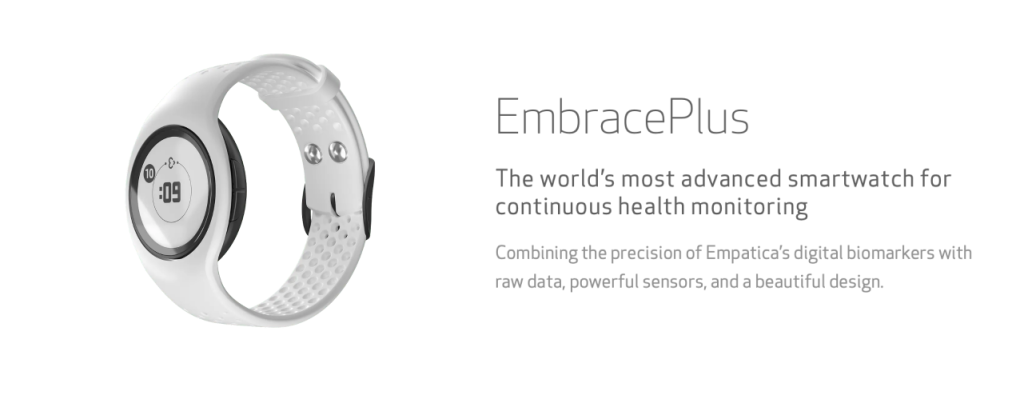
Assistive Technology: EmbracePlus (Empatica)

The EmbracePlus wristband by Empatica is a wearable device that helps people with epilepsy monitor physiological signals to detect potential seizures. It sends real-time alerts to the wearer and caregivers, tracks vital data for insight into triggers, and provides discreet, wearable support, empowering users to live more independently and confidently. The EmbracePlus wristband is a small, wearable device designed

Assistive Technology: EmbracePlus (Empatica) Read More »

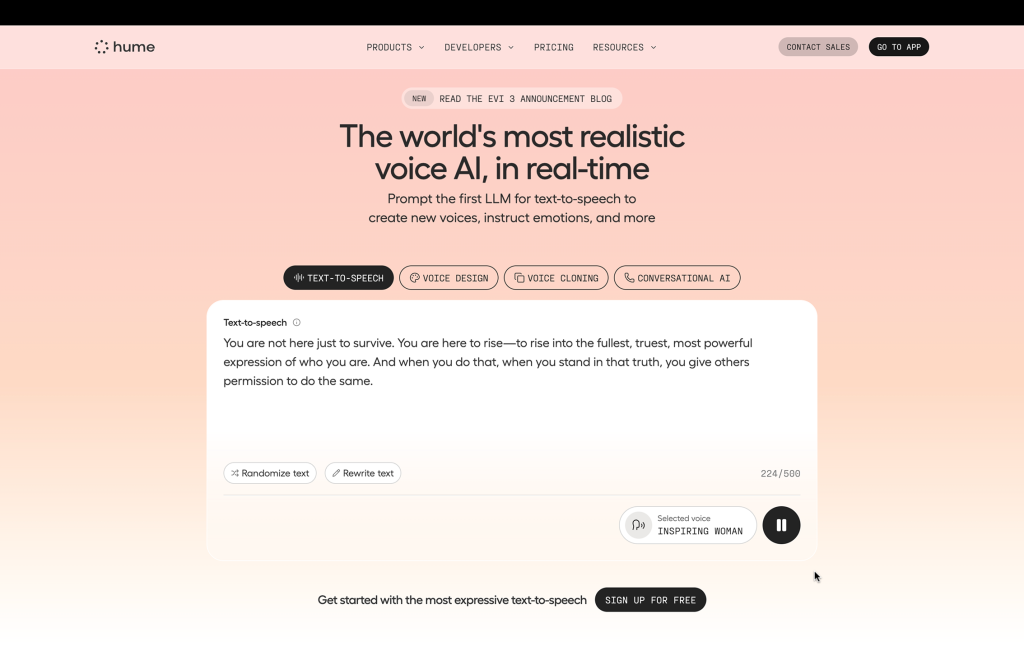
Design critique: Hume AI’s Hero Section

Hume AI is a text-to-speech (TTS) product whose primary selling point is its advanced emotional intelligence (EI). Emotion is, after all, the most powerful tool of voice—amplifying meaning, tone, and impact in text. Since achieving natural-sounding TTS has become largely a solved problem, the differences between products in basic voice quality are shrinking (or just

Design critique: Hume AI’s Hero Section Read More »

Design Critique: Chewy (Mobile App)

Chewy is an e-commerce company that offers businesses such as pet food retail, pet supply and accessories retail, medicines and health products, and other pet-related products. From Chewy, users could document their pets’ information and get the needed accessories. Its mobile app is aiming to offer users a convenient shopping experience Imperfect Shopping Details Items

Design Critique: Chewy (Mobile App) Read More »

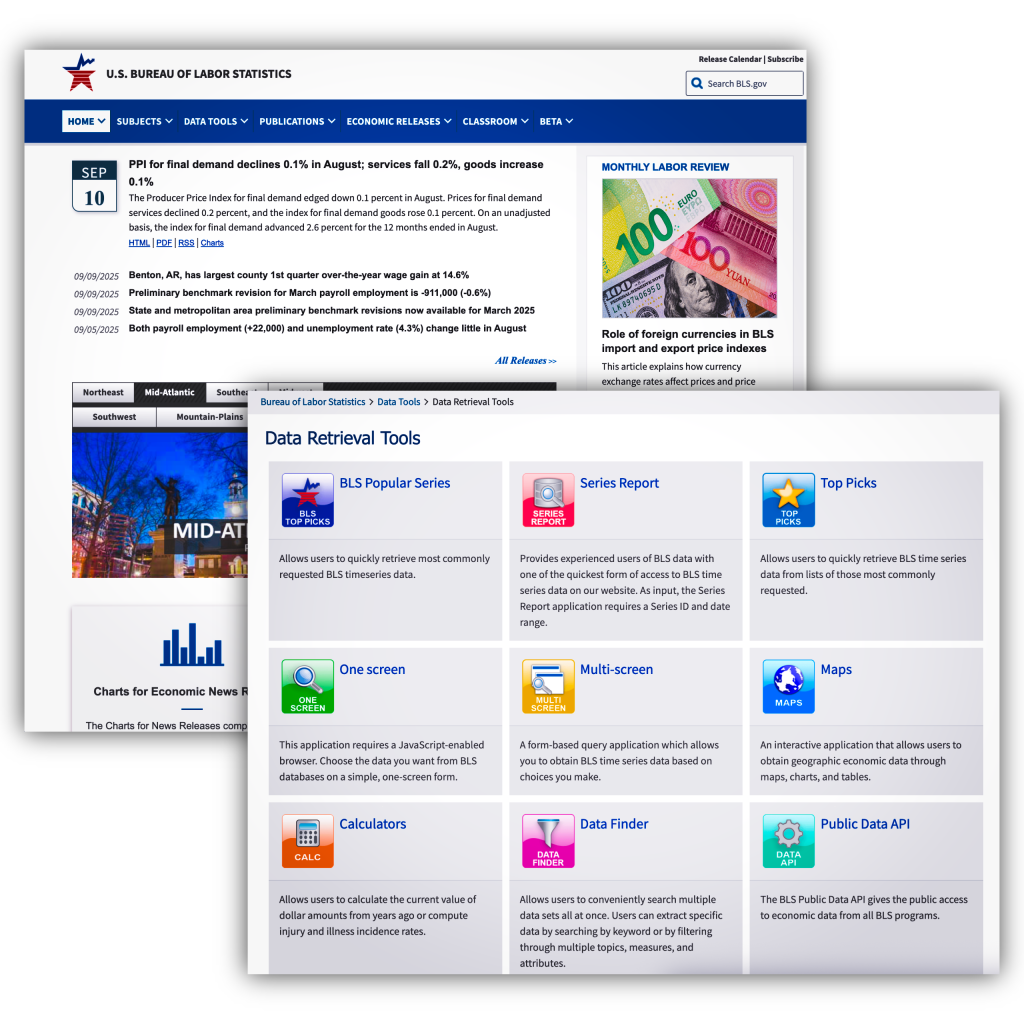
Design Critique: Bureau of Labor Statistics Data Retrieval Tool

The Bureau of Labor Statistics (BLS) is an agency of the United States Department of Labor. Its website is home to labor and economic data and data tools available for public use. This article serves to critique the general accessibility and usability of the BLS Popular Series Data Retrieval Tool. Accessing Data Tools from the

Design Critique: Bureau of Labor Statistics Data Retrieval Tool Read More »