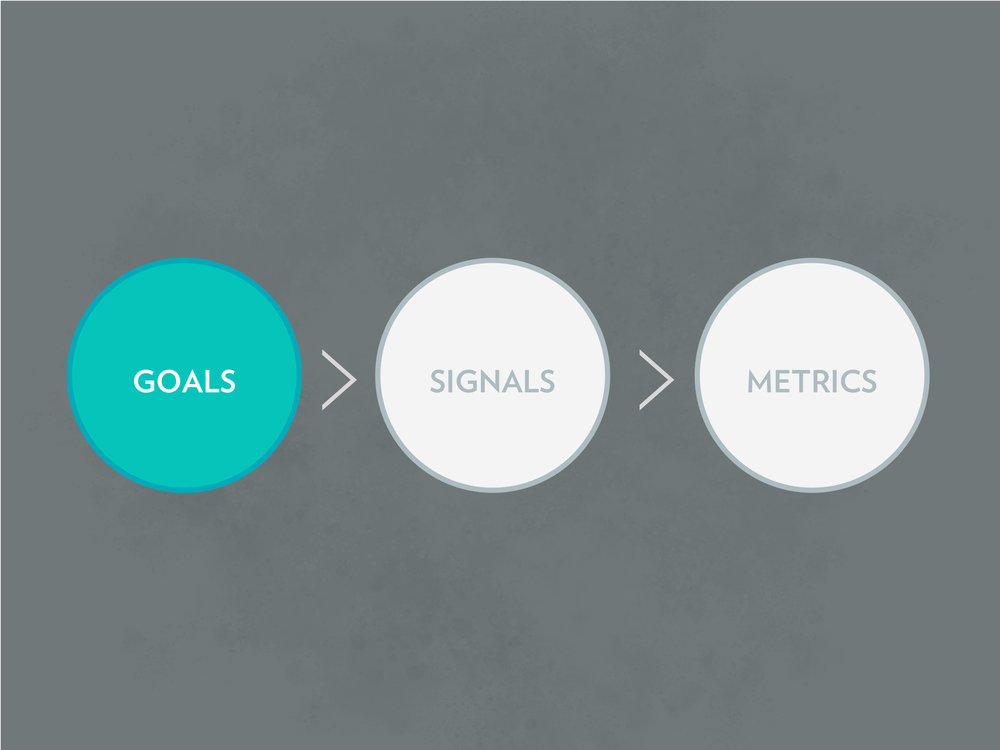
Measuring User Experience with the Goals-Signals-Metrics Process

When measuring user experience, how can we decide which specific metrics to implement and track to make data-informed decisions? The Goal-Signal-Metrics Process is a powerful tool to map product/feature goals to specific metrics, allowing the product team to focus only on the most useful metrics relates to the product/feature.

Measuring User Experience with the Goals-Signals-Metrics Process Read More »
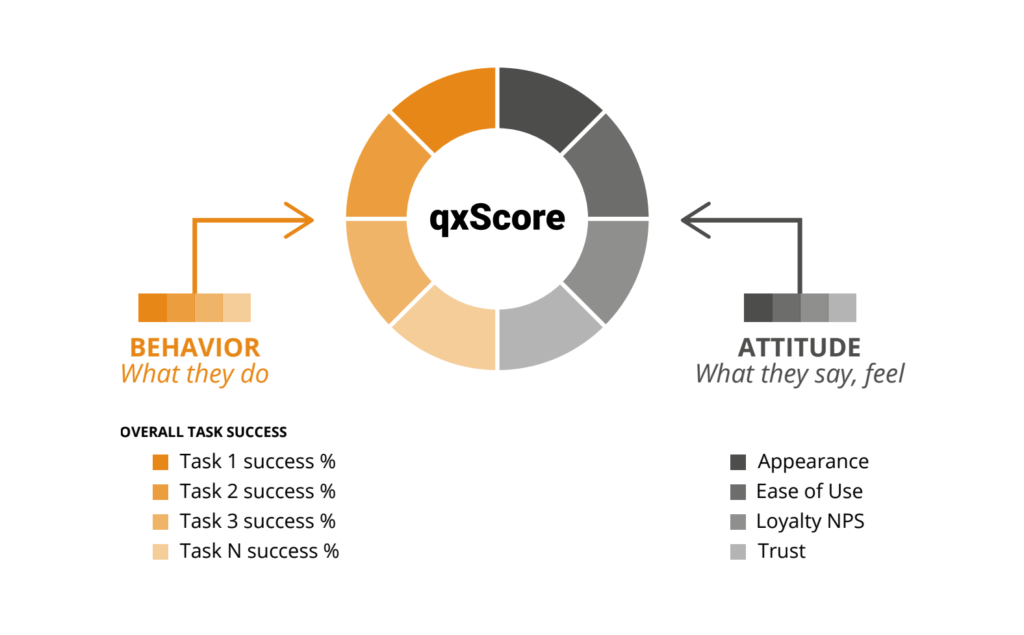
UX KPIs and PULSE Metrics

UX KPIs UX KPIs means key performance indicators of user experience, which helps to reflect the overall goal of a product or a website. With UX KPIs, user experience becomes tangible and measurable. UX KPIs are divided into two main categories, which are behavioral UX KPIs and Attitudinal UX KPIs.  Behavioural UX KPIs measure what

UX KPIs and PULSE Metrics Read More »

Usability Testing with Visually Impaired Users

According to Jacob Neilson “Usability is a quality attribute that assesses how easy user interfaces are to use. The word “usability” also refers to methods for improving ease-of-use during the design process. “. But what about when you are testing a visually impaired user? How do you accommodate them? What are the challenges that you encounter when conducting testing with people with disabilities; how do you over come them?

Usability Testing with Visually Impaired Users Read More »

Playing Telephone: Ethically Presenting Qualitative Data in Usability Research

In 2001, Jakob Nielsen said the first rule of usability is not to listen to users. He wrote this in the context of user preferences and desires—users aren’t always the best judges of what a design should be—but there is a lot of value in analyzing user feedback in the context of usability testing. Observing

Playing Telephone: Ethically Presenting Qualitative Data in Usability Research Read More »