Accessible Design

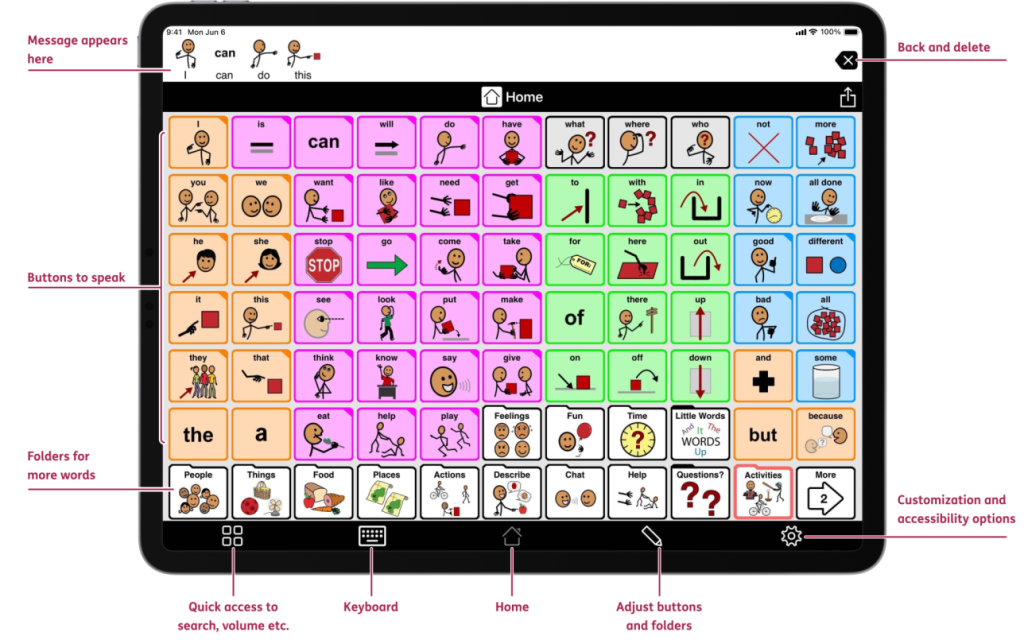
Proloquo2Go

Assistive Technology: Proloquo2go (iOS)

Proloquo2Go is an augmentative and alternative communication (AAC) digital technology designed to assist people who cannot speak, such as those with aphasia or autism, to communicate with others. By tapping on symbols and constructing sentences, users can have their thoughts voiced aloud. This technology provides individuals with speech impairments a means to express themselves, reduces […]

Assistive Technology: Proloquo2go (iOS) Read More »

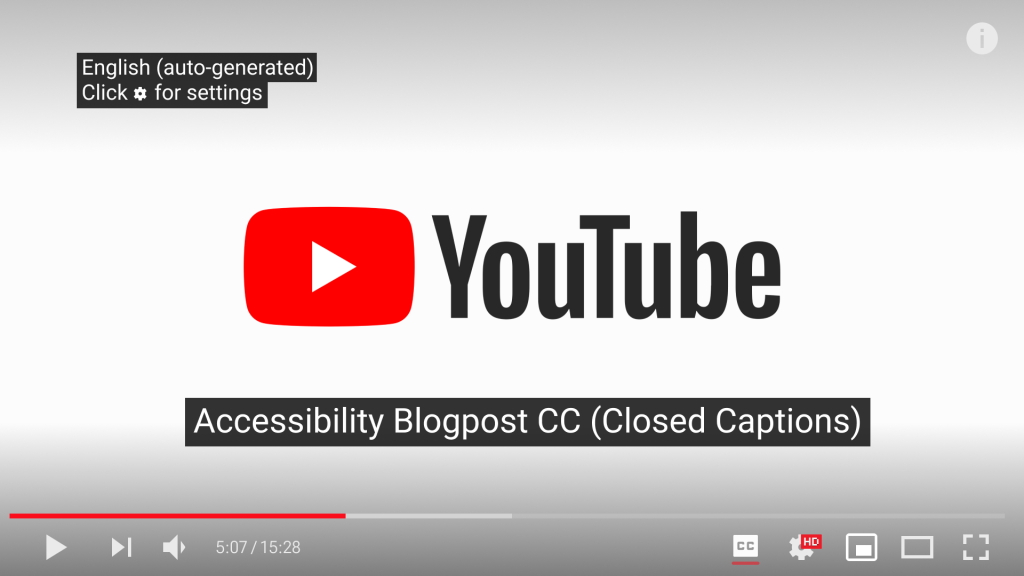
Assistive Technology: Closed Captions

Closed captions are more than just words on a screen—they’re the keys to unlocking stories for everyone. These little lines of text create a world where everyone can tune in effortlessly. Bridging language gaps, this assistive technology lets everyone experience video-based media. What is CC? According to the NYC Audio Description and Captioning Guide, ‘Captions‘

Assistive Technology: Closed Captions Read More »

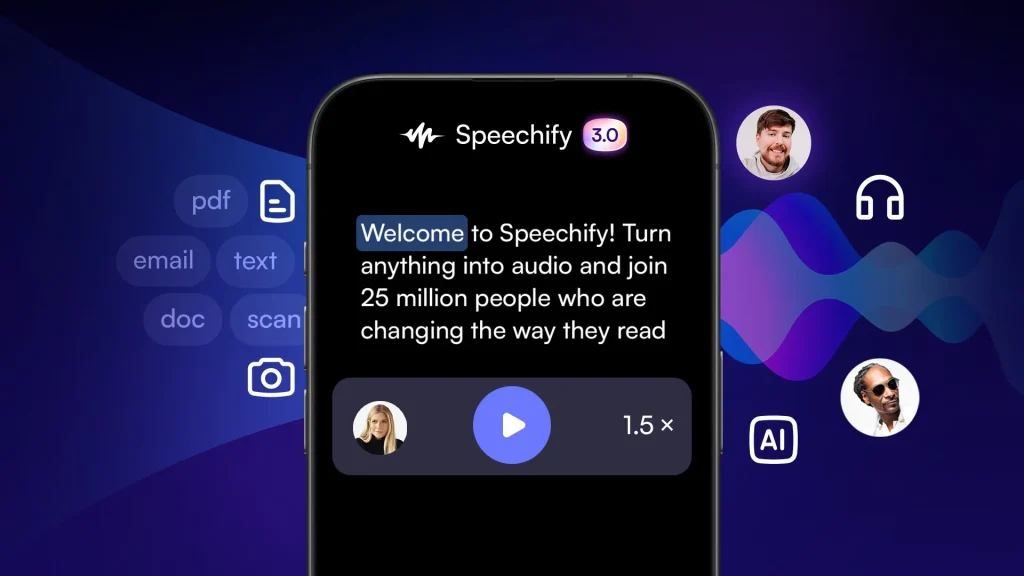
Assistive Technology: Speechify: A Game-Changer for People with Dyslexia and ADHD

Speechify is an app designed to make reading more accessible for those with reading challenges, especially people with dyslexia or ADHD. It converts written content into audio, allowing users to listen to books, articles, or even PDFs, making reading less overwhelming. Here’s a closer look at three key features of Speechify and how they make

Assistive Technology: Speechify: A Game-Changer for People with Dyslexia and ADHD Read More »

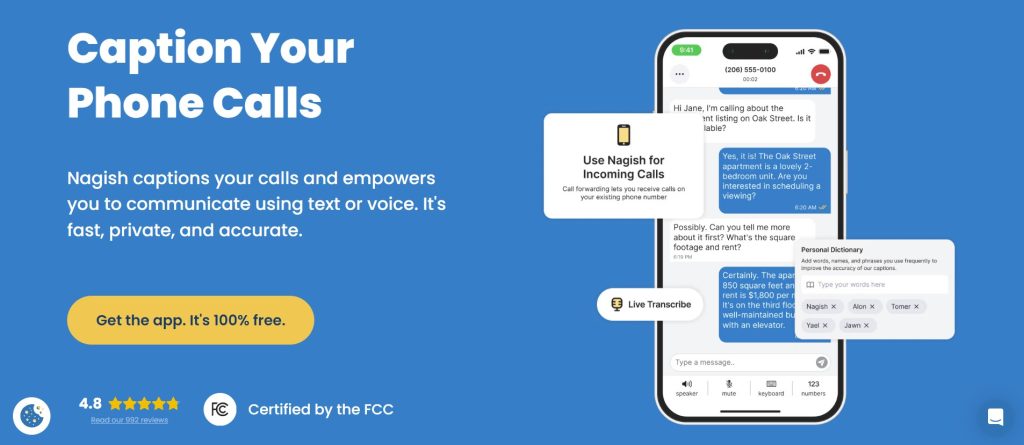
Assistive Technology: Nagish (Call Captioning App)

Nagish is a communication app designed specifically for individuals with hearing loss, offering a suite of AI-powered tools to improve accessibility. Its standout feature is real-time speech-to-text and text-to-speech capabilities, which allow users to participate in conversations without needing a third-party interpreter. The app also provides customizable text display options and voice modulation for personalized accessibility.

Assistive Technology: Nagish (Call Captioning App) Read More »

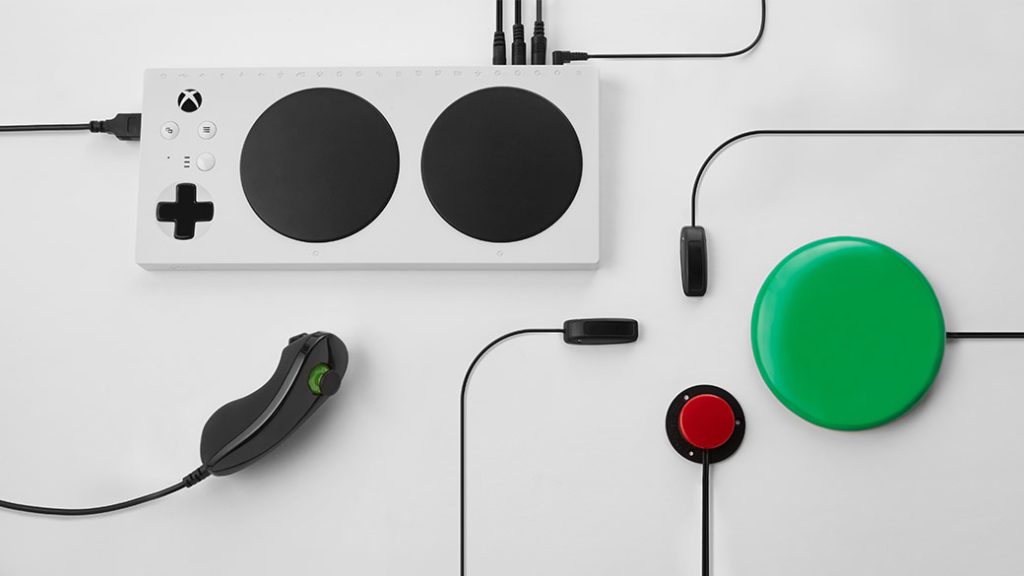
Xbox Adaptive controller with attachments

Assistive technology: Gaming via the Xbox Adaptive Controller

Introduction: The Xbox Adaptive Controller is a groundbreaking device developed by Microsoft to make gaming more accessible to individuals with limited mobility. First conceptualized in an internal hackathon in 2014, the device underwent several adaptations before its final release to the public in 2018. Designed with extensive input from gamers with disabilities and advocacy organizations,

Assistive technology: Gaming via the Xbox Adaptive Controller Read More »

Hero Image of Guided Frame by Google

Assistive Technology: Guided Frame (Google Pixel)

In the ever-evolving world of smartphone technology, Google’s commitment to accessibility takes a giant leap forward with the introduction of Guided Frame. This innovative feature, part of the Pixel 7 series, demonstrates Google’s dedication to creating an inclusive camera experience, particularly for individuals with visual impairments. In this blog post, we’ll explore how Guided Frame, a harmonious blend of hardware and software, is revolutionizing the way blind or low-vision individuals capture the perfect picture.

Assistive Technology: Guided Frame (Google Pixel) Read More »

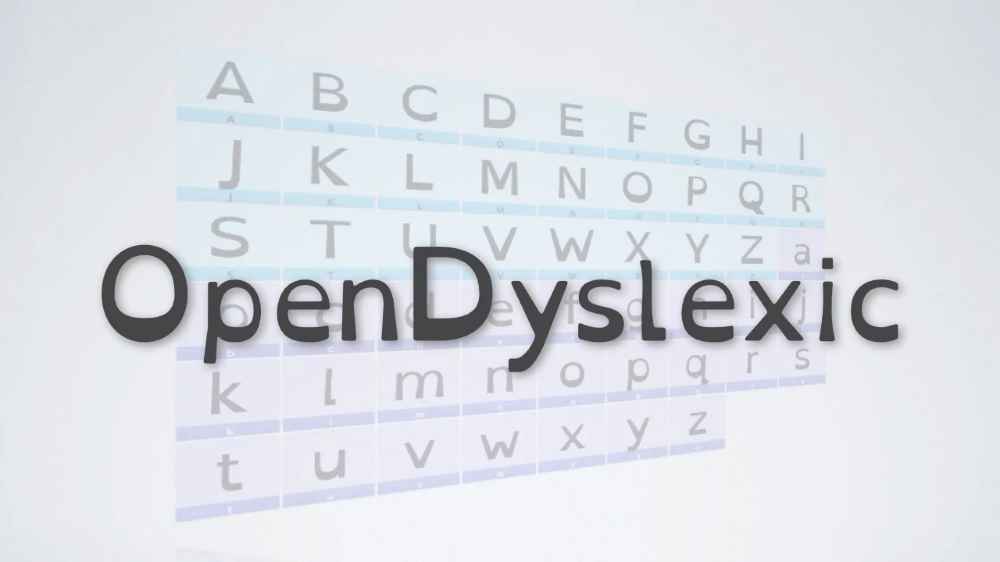
OpenDyslexic Font cover image by Abbie Gonzalez

Assistive Technology: OpenDyslexic Font

Dyslexia – a lifelong condition that affects reading, writing, spelling, and speaking. It is estimated that approximately one in five people are impacted by this disorder. It is crucial to ensure that individuals with dyslexia have access to assistive technology that enhances their accessibility and OpenDyslexic- by Abbie Gonzalez does just that. In this blog post, we will explore the OpenDyslexic Font, a typography innovation designed with dyslexic individuals in mind.

Assistive Technology: OpenDyslexic Font Read More »

Assistive Technology: Otter.ai

Revolutionizing Transcription and Note-Taking with AI and Accessibility Otter.ai is a transcription and note-taking platform using artificial intelligence (AI) to transcribe spoken content into written text automatically. It makes it easier for individuals and businesses to capture and organize spoken information during meetings, interviews, lectures, and other verbal interactions. When I first encountered Otter.ai and

Assistive Technology: Otter.ai Read More »