design critique

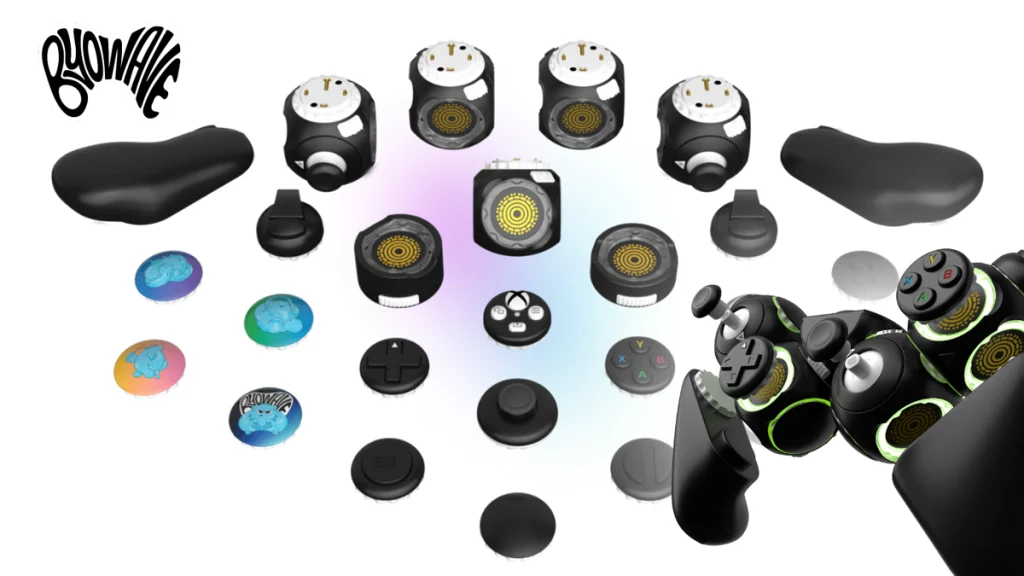
Assistive Technology: Proteus Controller by Byowave

When we hear the word controller, most of us picture a standard device designed for two hands, with small buttons demanding precise motor skills. But not everyone interacts with games in the same way. The Proteus Controller by Byowave rethinks this “default” through modular design and customization, supporting more accessible play. Feature 1: Modular, Reconfigurable

Assistive Technology: Proteus Controller by Byowave Read More »

Beyond Street Furniture: How Bollards Shape Urban Inclusion

Ever notice those small stone or metal posts on sidewalks that quietly direct where you can and can’t go? Most of us walk past bollards without a second thought. But try pushing a stroller, using a wheelchair, carrying groceries, or crossing a busy street, and suddenly these objects matter. Their material, shape, and spacing affect

Beyond Street Furniture: How Bollards Shape Urban Inclusion Read More »

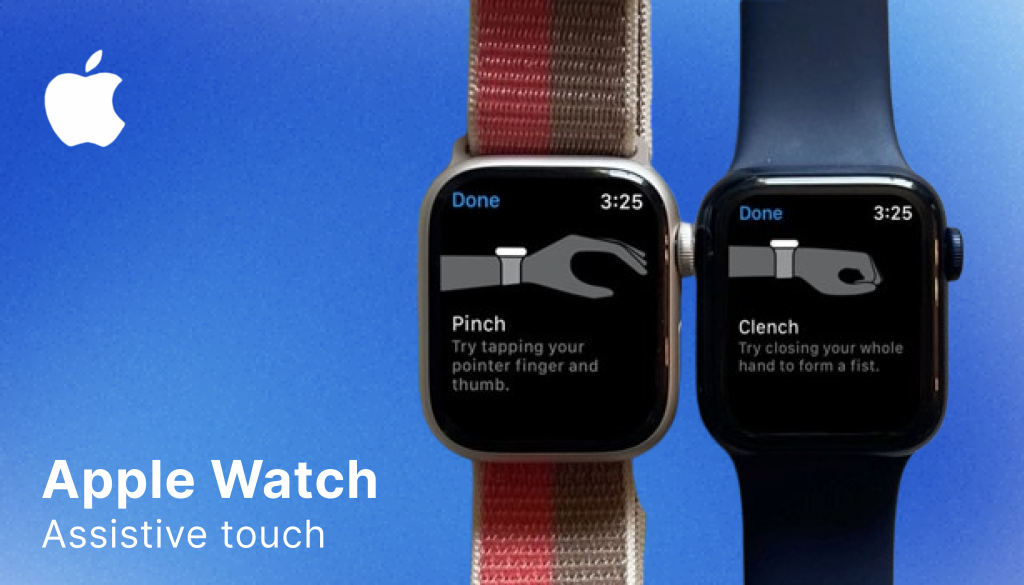
Assistive Technology: Apple Watch Assistive Touch (watchOS)

Apple Watch AssistiveTouch enables users to control their watch without touching the screen. Using built-in motion sensors, it detects subtle hand gestures, such as pinching or clenching, to navigate, select, and activate features. Designed for users with upper limb differences, it transforms wrist movement into a fully functional input method. Wearable technology assumes a very

Assistive Technology: Apple Watch Assistive Touch (watchOS) Read More »

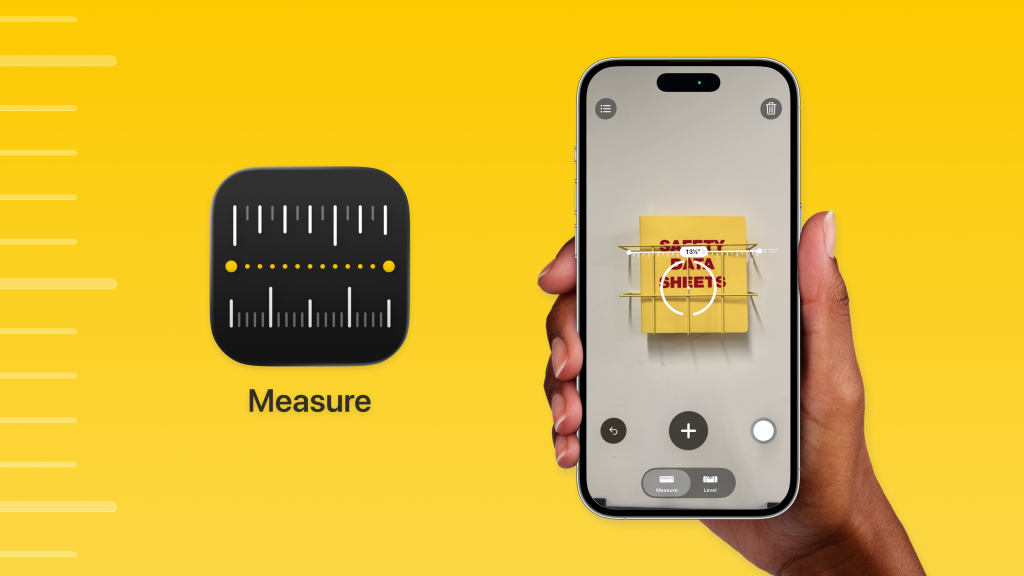
Design Critique: Measure (iOS App)

Measure is a pre-installed utility on the iPhone that enables users to quickly gauge the size of real-world objects, measure a person’s height, and automatically detect the dimensions of rectangles. This article critiques the Measure app through the lens of Don Norman’s The Design of Everyday Things, analyzing its interface against key usability principles. First

Design Critique: Measure (iOS App) Read More »