design critiques

Assistive Technology: The Daytech Wi-Fi Smart Wireless Caregiver Pager System

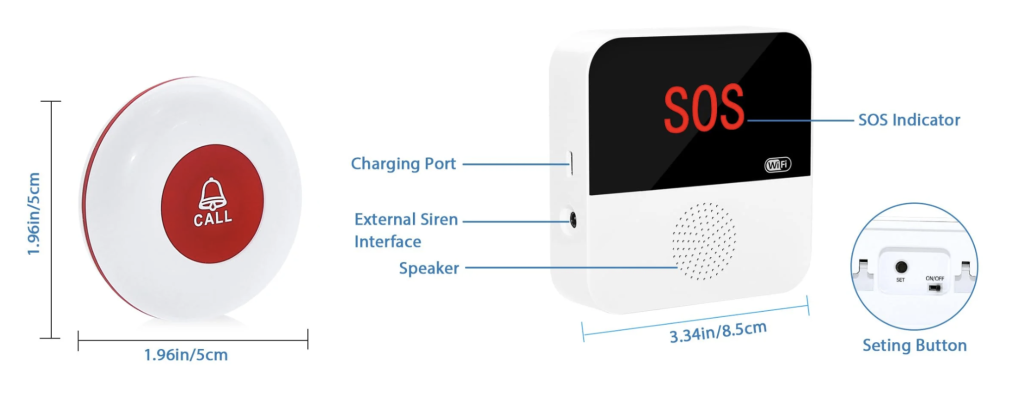
The Daytech Smart Caregiver Pager System helps the elderly, people with seizure disorders and people with chronic illnesses. It mostly follows the social and functional models by reducing social barriers within the household and by relying on innovative technology to eliminate limitations. It consists of a wearable call button that users press when they need assistance and a receiver that alerts caregivers of their needs. 

Assistive Technology: The Daytech Wi-Fi Smart Wireless Caregiver Pager System Read More »
Image credit: Pratt Institute Cannoneers Logo

Design Critique : Pratt Institute Cannoneers (Website)

Pratt Institute Cannoneers is the official athletics website of Pratt Institute, primarily providing information about school teams, including game schedules, highlights, and team rosters. This article critiques will focus on the homepage of the website using terms and concepts from Don Norman’s The Design of Everyday Things. The homepage consists of three main sections: a

Design Critique : Pratt Institute Cannoneers (Website) Read More »

Assistive Technology: GlassOuse Hands-Free Mouse

The GlassOuse Hands-Free Mouse is an assistive device designed for individuals with limited mobility, allowing cursor control through their head movements and selections via a bite switch. This innovative assistive technology aligns with medical, social, and functional models of disability, addressing functional impairments while reducing environmental barriers.

Assistive Technology: GlassOuse Hands-Free Mouse Read More »

Transforming EAI into an Intuitive Student-Learning Site: a user research case study

Client: Electronic Arts Intermix (EAI)Team: Mia Greenberg, Allison Chen, Conor Mack, Hridya Nadappattel, Iris SunMy Role: User Researcher, User Experience DesignDesign Tools: Figma, Notion, Google FormsMethods: Baseline Testing, Iterative TestingProject Duration: 6 weeks Overview The Electronic Arts Intermix (EAI) is dedicated to preserving and distributing Video Works and Media Art. Founded in 1971, EAI is

Transforming EAI into an Intuitive Student-Learning Site: a user research case study Read More »