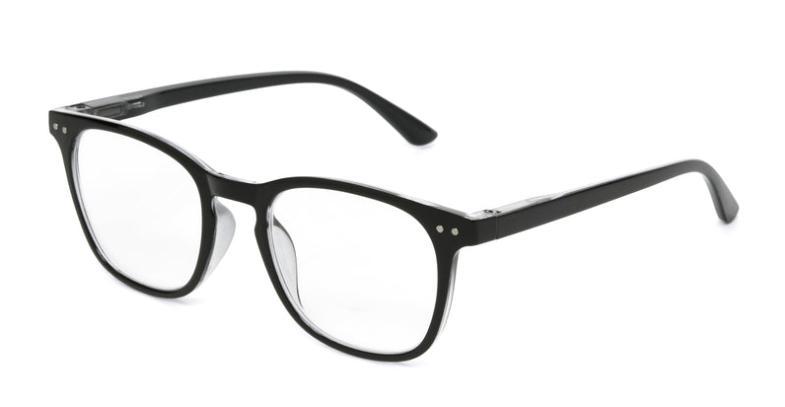
According to the World Health Organization, at least 2.2 billion people (WHO, 2026) worldwide have some form of vision impairment, with many cases involving refractive errors that can be corrected through the use of glasses or other forms of medical treatment. Despite this, not everyone with visual impairments wears glasses. Cost, access to eye care, personal preferences, and concerns about appearance can all influence whether someone uses corrective lenses.
Types / Features
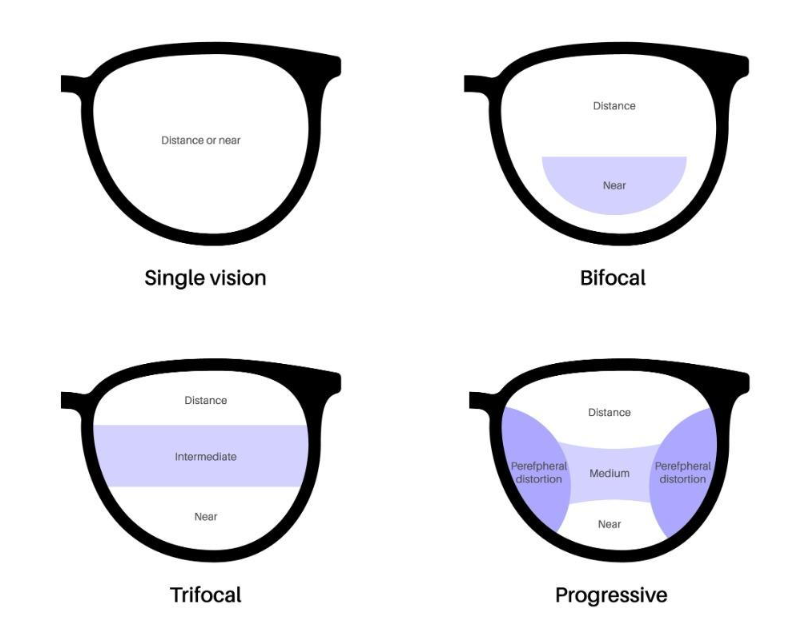
There are many different types of glasses designed to address different visual needs. Prescription glasses use corrective lenses to compensate for refractive errors such as nearsightedness, farsightedness, and astigmatism. Bifocal and progressive lenses allow people with multiple vision needs to see at different distances without requiring separate pairs of glasses. Sunglasses reduce glare and protect the eyes from ultraviolet (UV) radiation, improving visibility in bright environments.
Glasses can also differ in their frame designs, materials, shapes, and sizes, allowing people to select eyewear based on comfort, fit, and personal preference, also allowing glasses to also serve as a fashion accessory.
Medical Model
Primarily, glasses can be understood through the lens of the medical model, which views visual impairments as a biological condition that can diminish a person’s quality of life. From this perspective, vision impairment is treated as a problem within individuals that can be treated professionally, with referrals to eye doctors and professionals that can prescribe corrective lenses.
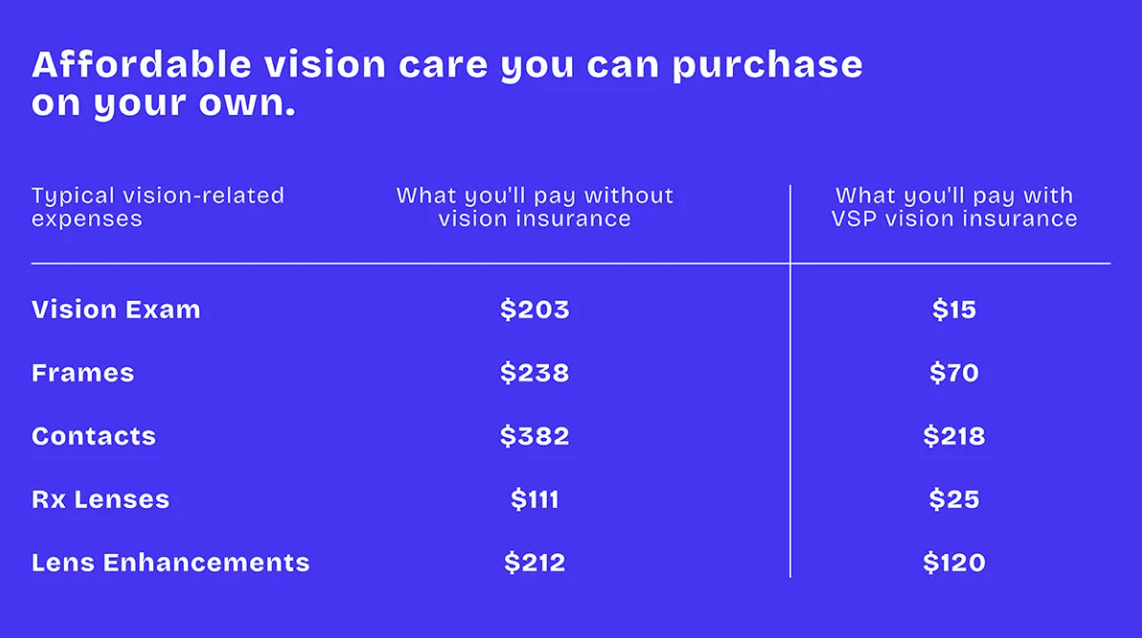
However, this results in the responsibility of addressing visual impairments primarily on the individual and doesn’t consider external factors that may affect the individual’s ability to access glasses. While some glasses, such as reading glasses and sunglasses, may be purchased easily, prescription glasses often require access to eye care and the ability to afford examinations, lenses and even frames. Additionally, eye care is often not covered under normal health insurance, adding an additional financial burden to obtaining corrective lenses despite 64% of American adults (AAO, 2022) developing at least one eye problem.
Social Model
Through the social model, most prints and signage are created with the assumption that the person viewing the text has typical or “perfect” vision. Rather than the individual’s eyesight being the only barrier they may come across, the design of the environment around them may also create additional difficulties for people with visual impairments, including small text, low-contrast colors, and even poor lighting. These create environments that become harder to navigate.
Glasses can be used to help reduce some of these barriers by improving a person’s individual’s ability to see their surroundings. However, it is important to note that glasses do not eliminate every environmental challenge. Someone wearing their prescription glasses may still encounter signs with insufficient contrast or text that is still too small from a distance.
Functional Model
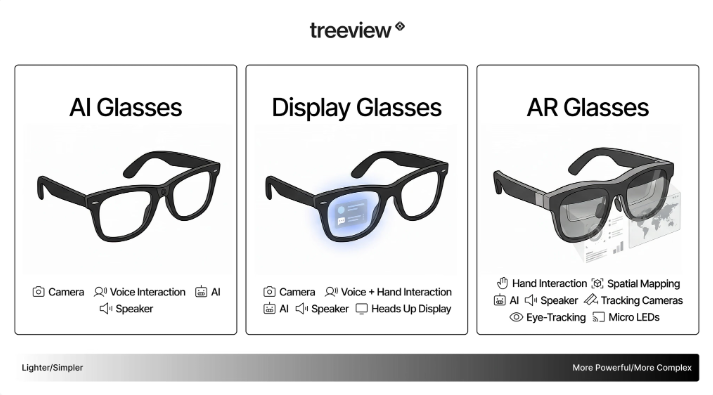
To briefly discuss glasses through the functional model, advancements in technology have allowed glasses to improve their capabilities by adding features beyond basic vision correction. Color-correcting glasses, such as EnChroma, are designed to help people with color vision deficiencies distinguish between certain colors, while smart glasses, such as Ray-Ban Meta AI glasses, incorporate technologies such as cameras, microphones, and audio to provide additional assistance to the wearer. These developments demonstrate how glasses can be designed to perform increasingly specialized functions based on different visual and technological needs.
However, while these improvements increase the capabilities of glasses, they can still be limited by financial barriers, returning to the same issue identified within the medical model. More specialized glasses often come at a higher cost, meaning that the benefits of these technological advancements may not be equally accessible to everyone who could benefit from them.
References
- World Health Organization. (2026, February 10). Blindness and vision impairment. World Health Organization
- American Academy of Ophthalmology. (2022, October 27). Majority of U.S. adults with eye problems have not had an eye exam in the past year. American Academy of Ophthalmology