Design Critiques

What makes some designs good and others bad? Why do some designs work while others don’t? Posts in this category offer thoughtful design critiques of modern digital interfaces, with commentary inspired by Don Norman’s “The Design of Everyday Things.”

Design Critique: American Airlines (Mobile App)

American Airlines is one of the major airlines in the United States. Similar to their web application, their mobile application allows a guest user or AAdvantage member to book a flight, check their flight status, or find an existing trip, along with a series of other less prominent features, like quickly accessing mobile boarding passes,

Design Critique: American Airlines (Mobile App) Read More »

Design Critique: Google Maps (iOS app/Mobile)

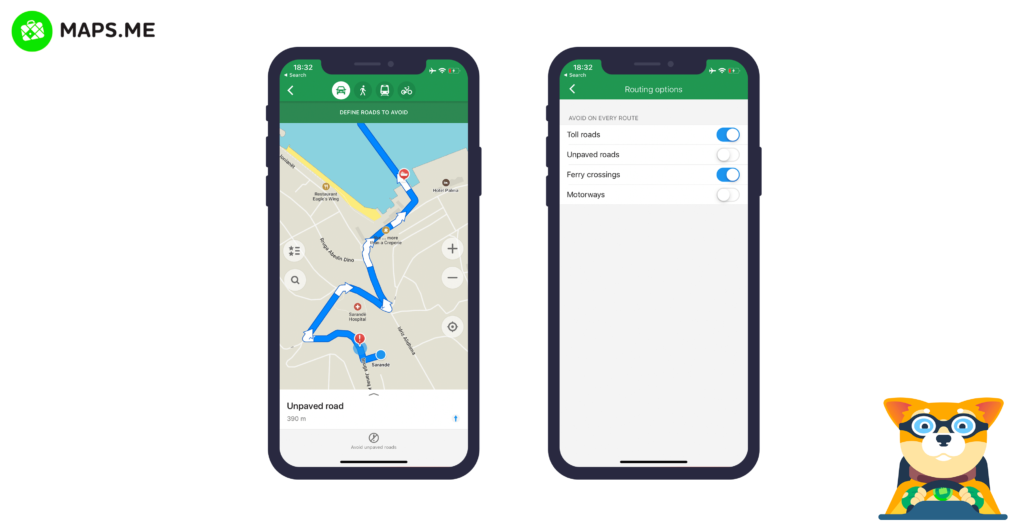
Google Maps is a representative application for geographic information. The app has been helping users to find a place and get more information about the place since 2005. It offers various views of the map such as satellite imagery, aerial photography, street maps, 360° interactive panoramic views of streets. Especially, it gives users information on

Design Critique: Google Maps (iOS app/Mobile) Read More »

Design Critique: Komoot Mobile App

Overview Komoot is route planner app, that is gaining more and more popularity recently. It´s target audience are hikers, runners, cyclists, or simply everyone who wants to explore an area on a bike or by foot. Komoot combines route optimizing technology, GPS, great mapping layer, that is constantly updated with a feedback from active users. Here is a link to a desktop version

Design Critique: Komoot Mobile App Read More »

Assistive Technology: Sense Five

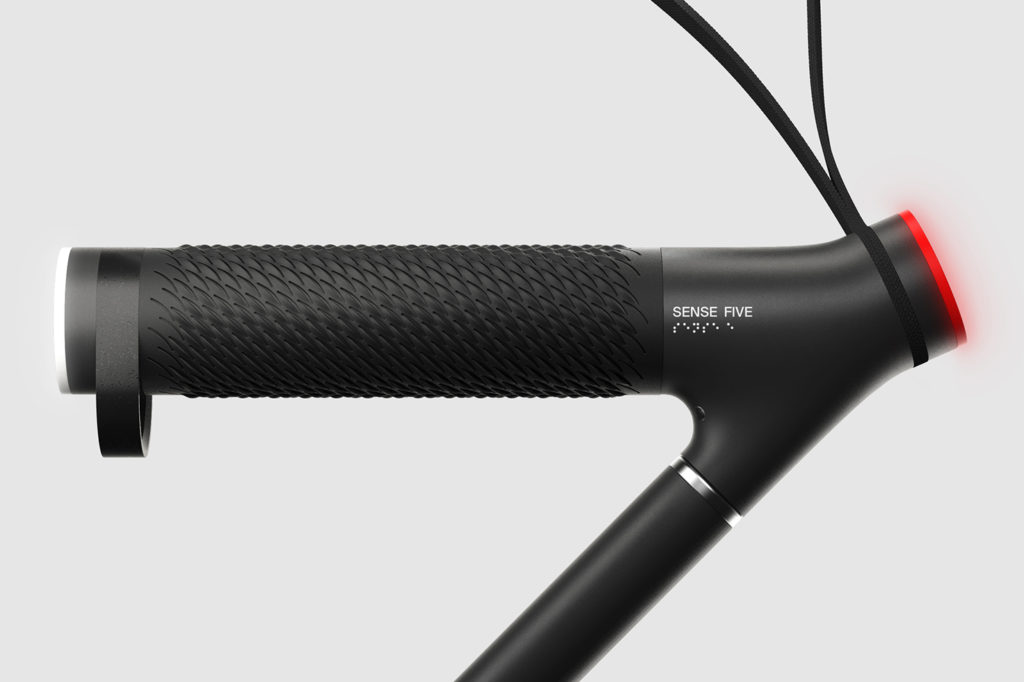
Sense Five is a smart white cane designed to keep visually impaired users safe by utilizing the sense of touch. This assistive technology concept and prototype is created by a German design studio called Werteleberfll. This device’s key feature is its surface-changing handle and the image-recognition sensor. This product uses an integrated image-recognition sensor to

Assistive Technology: Sense Five Read More »