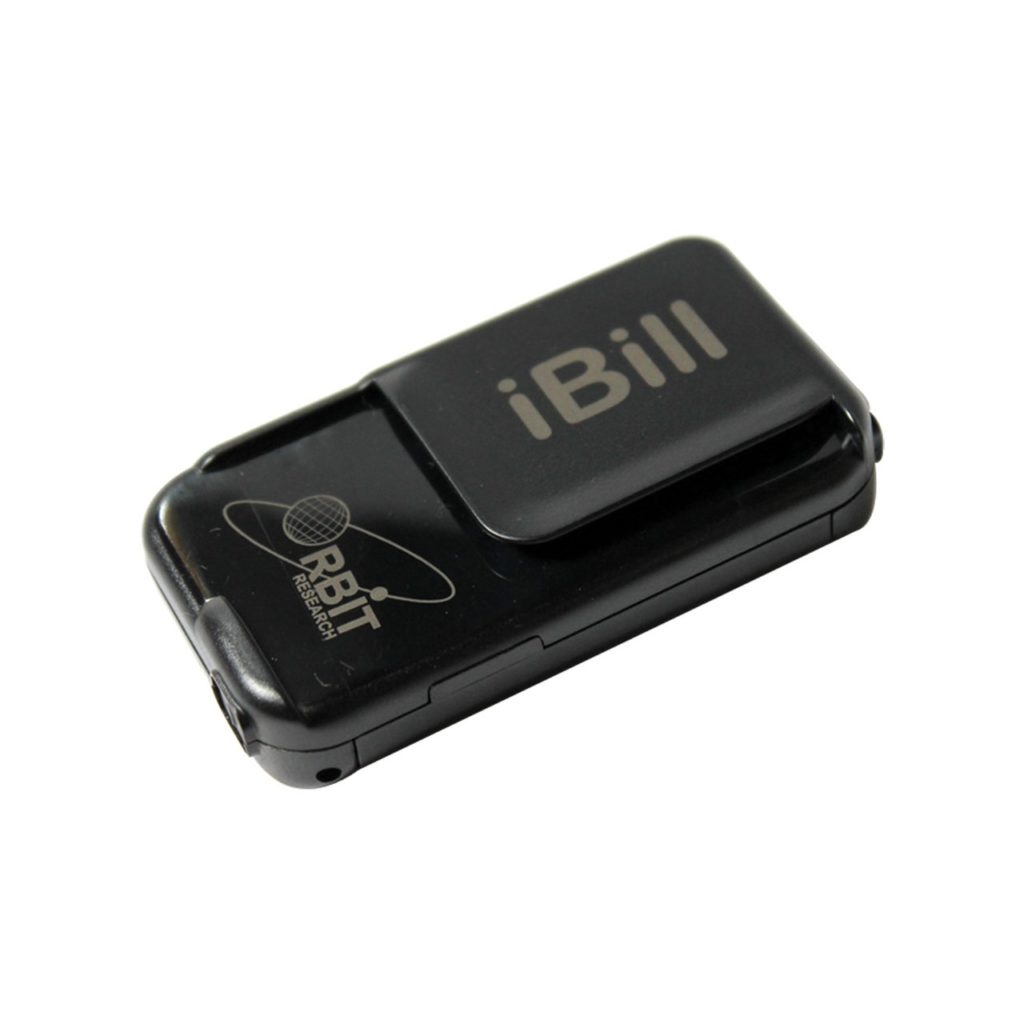
Assistive Technology: iBill- Talking Banknote Identifier
The iBill is a small device created to assist users in establishing what value dollar they need identified.
Assistive Technology: iBill- Talking Banknote Identifier Read More »
The iBill is a small device created to assist users in establishing what value dollar they need identified.
Assistive Technology: iBill- Talking Banknote Identifier Read More »
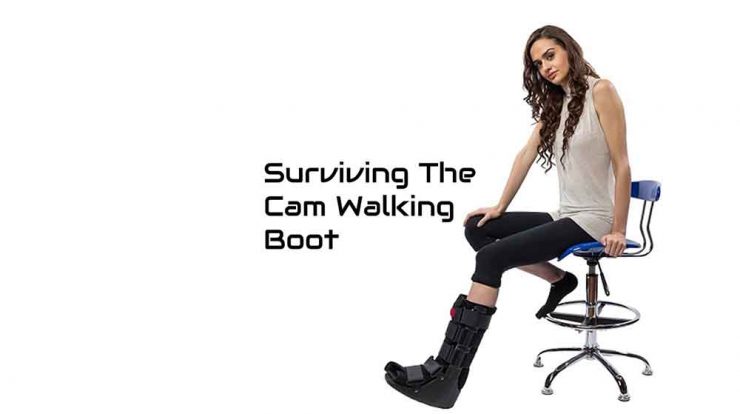
CAM (Controlled Ankle Motion) Walker is an alternative to the traditional plaster de Paris for a broken or sprained leg. It is made of hard shell and soft material inner liner. People use it to immobilize their ankles during the recovery period.
Assistive Technology: Controlled Ankle Motion Walker—CAM Read More »
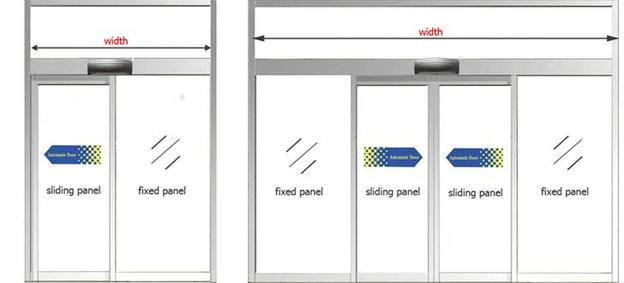
In today’s society, automatic doors have become a common sight on across the globe. They are often found at retail stores, commercial buildings, offices, public buildings, clinics, etc. These doors are usually installed for purposes like ease of action or aesthetic appeal. Buildings opting for automatic sliding doors are generally buildings with a large flow
Assistive Technology: Automatic Sliding Doors Read More »

Most standalone translators are designed along the lines of translating what you’re hearing (or saying) in real-time by just pressing one button. Since this is a product that only does one thing- translate, to make it straightforward and easy to use, most devices have a minimum screen or no screen, with only one or two buttons, a mic for input and a speaker for output.
Assistive Technology: Portable translators Read More »
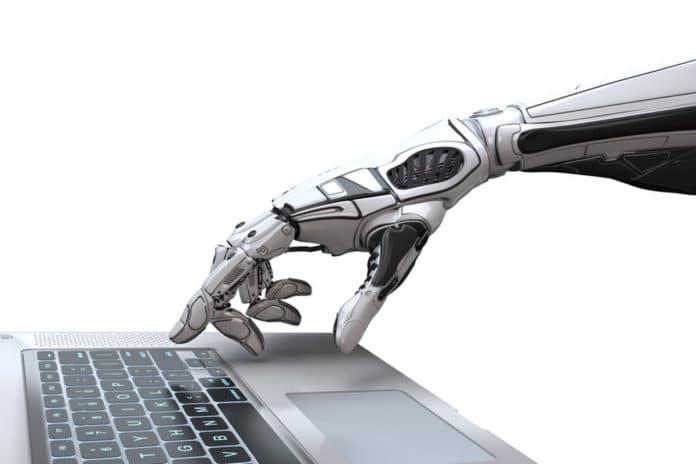
Prosthetic devices play a major role in post-amputation recovery. These can serve as cosmetic rehabilitation that can provide a psychological advantage. More advanced prosthetics provide some functional rehabilitation, allowing for daily living tasks such as grooming and dressing, and reducing liability and overuse damage on the contralateral hand. Engineers at John Hopkins University designed a
Assistive Technology: Robotic Arm – The Present & The Future Read More »
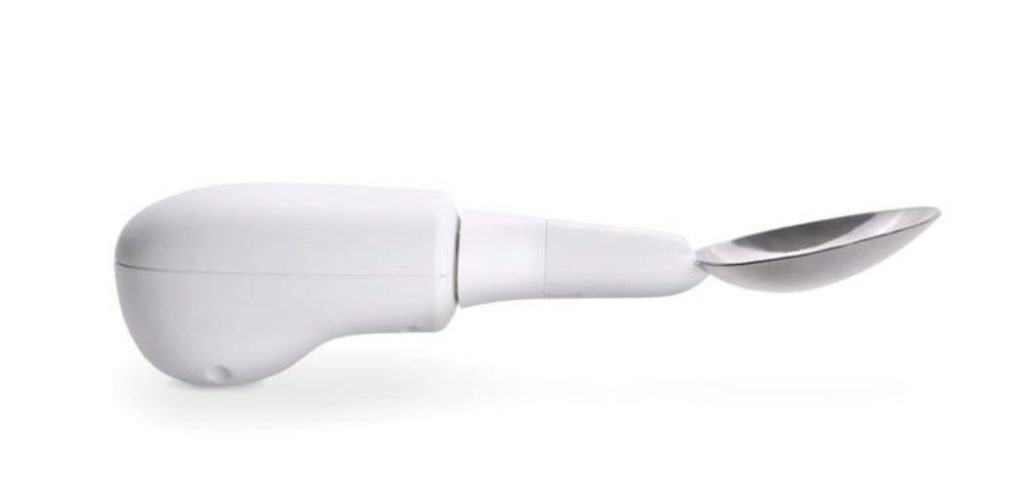
Lift Lab, a Google owned company, has invented Liftware Steady – an electronic stabilizing handle. This stabilizing handle comes with different attachments including a spoon, fork and spork. This Assistive Technology (AT) bridges the gap for people with hand tremors, mostly related to Parkinson’s disease, allowing them to have a more pleasant eating experience. Liftware
Assistive Technology: Liftware Steady Read More »

VoiceOver is a screen reader built into Apple Inc’s macOS, iOS, watchOS operating systems. This feature is designed to increase accessibility for people with visual impairments. VoiceOver can interact with objects in your apps so the user can drive the interface even if they have trouble seeing it. It ensures that the user interface elements
Assistive Technology: Apple’s VoiceOver Read More »

Seeing AI, launched in 2017 by Microsoft, is an intelligent camera application designed for people with vision impairment. With a combination of both artificial intelligence and computer vision, this application helps to narrate the world by describing text, objects and people using a mobile phone camera. Since its launch, it has guided people to complete
Assistive Technology: Seeing AI (iOS app) Read More »
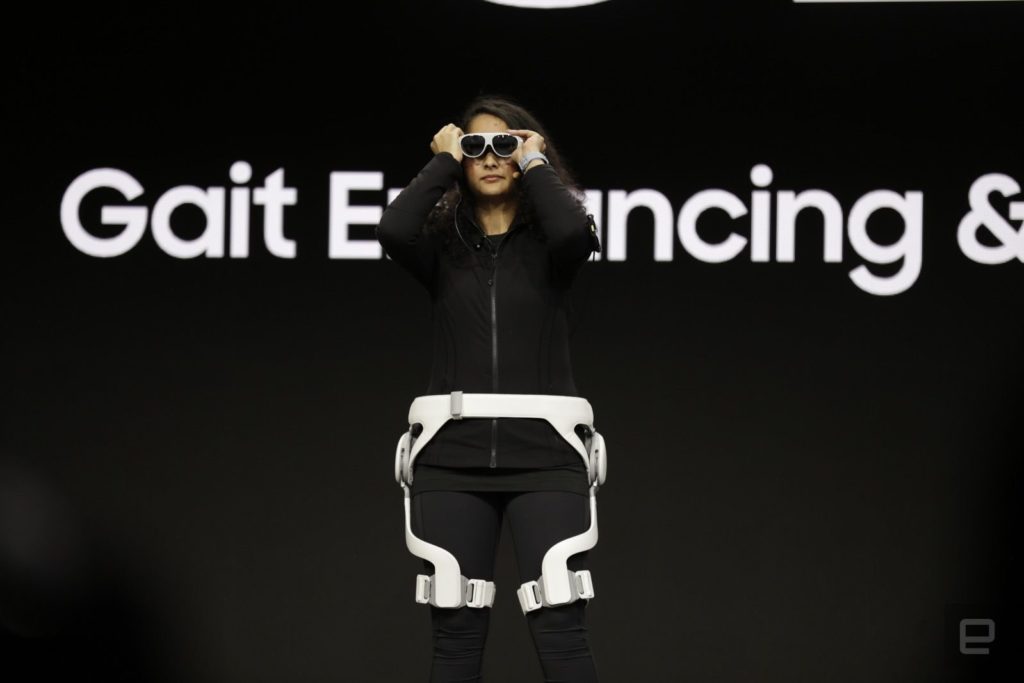
At CES 2019, Samsung introduced GAITS (Gait enhancing and motivating system), a line of wearables to assist various body parts (hip, knee, ankle). Gems-H, a walking assistant designed to correct posture, provide stability, increase the walking pace and provide resistance to help with injury rehabilitation was a prototype that caught a lot of attention. With constant
Assistive Technology: Samsung Gem’s Exoskeleton Read More »

Netflix is an American media-services provider and production company which focuses on subscription-based online streaming services offering a library of films and television programs, including those produced in-house.
Design Critique: Netflix (Web Version) Read More »